

If you’ve searched for something on Google recently, you’ve probably noticed that search doesn’t look the way it did a few years ago.
Instead of scrolling through a list of blue links, you’re often met with an AI-generated overview that tries to answer your question straight away. People are also using AI assistants like ChatGPT, Google’s AI Mode, and other conversational search tools to find information without visiting multiple websites.
It’s enough to make business owners ask a fair question: Is SEO being phased out? The short answer is no.
SEO isn’t disappearing, it’s changing because the way people search is changing. Businesses that understand this shift will continue to generate traffic and leads, while those relying on outdated tactics may struggle to stay visible.
Let’s look at what’s actually happening.
Why People Think SEO Is Dying
The biggest reason is AI. Google has introduced AI-generated search experiences that summarise information before users reach traditional search results. For some informational searches, users may find what they need without clicking through to a website.
For example, if someone searches “How long does concrete take to cure in Australia?” Google can now provide an AI summary explaining the general timeline. At first glance, that seems like bad news for websites.
However, those AI answers still need reliable sources. They don’t create information from nowhere. Google’s AI relies on authoritative websites, trusted publications, government resources and businesses with well-structured, high-quality content. In other words, SEO is still working behind the scenes. The difference is that visibility now means more than simply ranking first.
SEO Has Always Evolved
Every few years, someone claims SEO is dead.
- It happened when mobile-first indexing arrived.
- It happened again when voice search became popular.
- Then it happened after Google’s Helpful Content Updates.
Now AI has become the latest reason. The reality is that SEO has always adapted alongside search technology. Businesses that focused on providing useful content, maintaining technically sound websites and earning trust have continued to perform well despite these changes.
The tactics evolve, but the goal stays the same: helping the right people find trustworthy information.
AI Still Needs Quality Content
Large language models can summarise information, but they still depend on existing content across the web. If your website demonstrates expertise, answers real customer questions and provides accurate information, there’s a better chance your content will influence AI-generated responses.
Take Australian businesses as an example. A plumbing company in Brisbane that publishes detailed guides on stormwater drainage regulations has a stronger opportunity to be recognised as an authority than a competitor with only a handful of service pages.
Likewise, an accounting firm explaining Australian tax obligations for small businesses provides far more value than generic content copied from overseas websites.
Good SEO today isn’t about publishing hundreds of articles, it’s about becoming a reliable source within your industry.
What SEO Looks Like in 2026
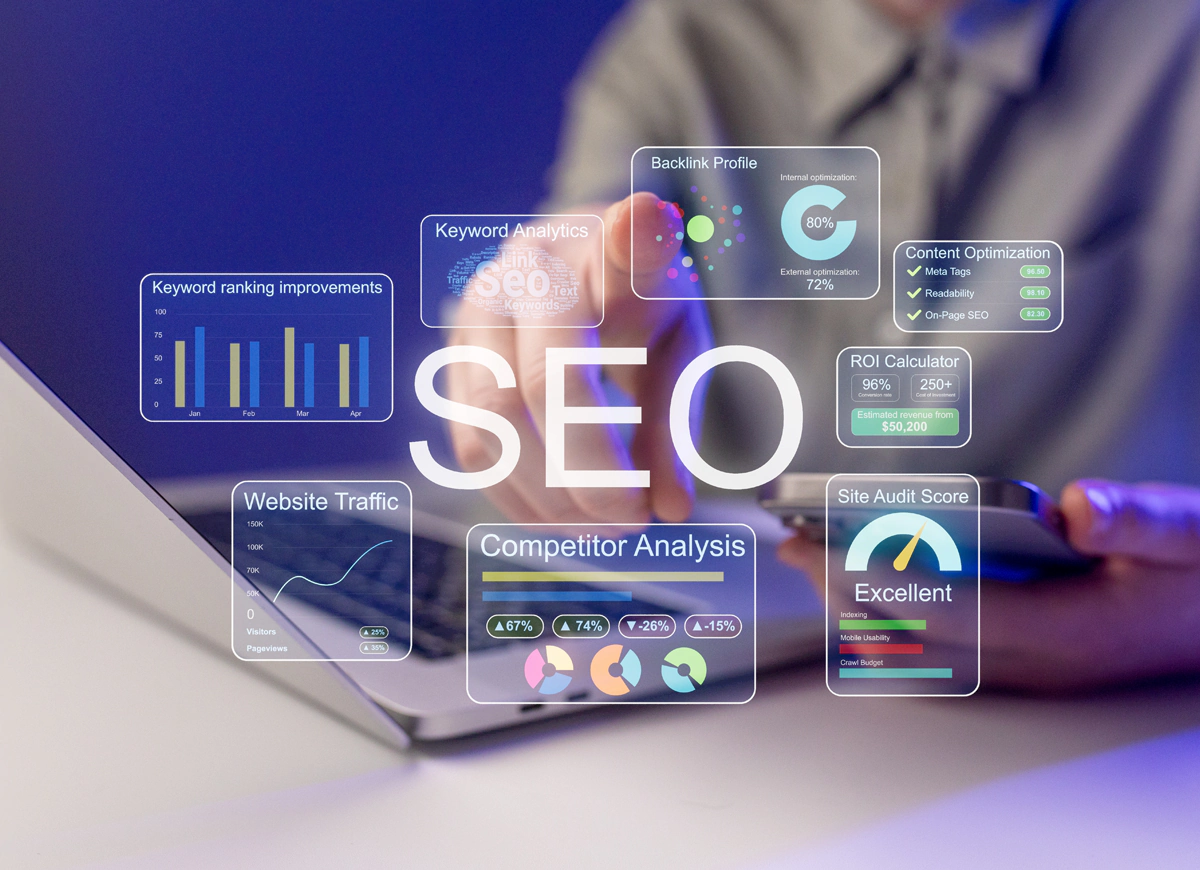
Modern SEO extends well beyond keywords. Search engines now evaluate many signals when deciding which websites deserve visibility.
Some of the biggest factors include:
- Content depth and topical expertise
- Website speed and mobile usability
- Internal linking
- Clear site architecture
- User engagement
- Brand authority
- Trustworthiness and factual accuracy
- Structured data
- Local relevance
This is why businesses that invest in long-term SEO continue to see results, even as AI changes how answers are presented.
Local SEO Is More Important Than Ever
For Australian businesses, local search remains one of the biggest opportunities. When someone searches for “electrician near me” or “family lawyer Sydney,” Google still prioritises businesses that have strong local signals.
That includes:
- Optimised Google Business Profile
- Consistent business information
- Genuine customer reviews
- Local landing pages
- Relevant backlinks
- Location-specific content
A café in Perth doesn’t compete with cafés across the world, it competes with nearby businesses. Local SEO helps Google understand exactly where you operate and who your services are for.
If your customers come from a specific suburb, city or region, local optimisation should still be a major part of your marketing strategy.
AI Is Creating New SEO Opportunities
Many businesses see AI as competition, in reality, it also creates opportunities. People are searching in longer, more conversational ways.
Instead of typing “solar panels Melbourne,” someone might ask, “Are solar panels worth installing in Victoria if I work from home?” These detailed searches allow businesses to answer highly specific customer questions and attract qualified traffic. Websites that publish genuinely helpful content often become the sources AI systems reference. That’s another reason why quality continues to outperform quantity.
Technical SEO Still Matters
Even the best content won’t perform well if search engines struggle to access your website.
Technical SEO includes areas such as:
- Fast loading speeds
- Mobile responsiveness
- Secure HTTPS connections
- Clean URL structures
- XML sitemaps
- Crawlability
- Schema markup
These aren’t always visible to customers, but they help search engines understand and index your website correctly. Think of technical SEO as building strong foundations before adding everything else.
Australian Businesses Need Australian Content
One mistake many companies make is publishing generic articles written for an international audience. Australian users often search differently.
A homeowner in Adelaide may be looking for council regulations, a builder in Queensland needs information relevant to local building codes and an online retailer wants advice around Australian shipping expectations and consumer laws.
Content that reflects Australian terminology, regulations and customer behaviour tends to be more useful than broad articles written without local context. That relevance also helps build trust with both users and search engines.
The Future Is Search Everywhere
SEO no longer applies only to Google. Customers discover businesses through:
- AI assistants
- Google Search
- Google Maps
- YouTube
- Reddit discussions
- Industry directories
- Voice assistants
- Social search platforms
Your online presence now exists across multiple channels. A strong SEO strategy considers this broader ecosystem rather than focusing on rankings alone.
That’s why businesses are increasingly investing in content marketing, digital PR, technical optimisation and brand authority together.
Should Businesses Still Invest in SEO?
In most cases, yes. Paid advertising can generate immediate traffic, but it stops the moment your budget runs out. SEO works differently. Well-written pages can continue attracting visitors for months or even years after they’re published.
That’s especially valuable for Australian small businesses looking to generate consistent enquiries without relying entirely on paid campaigns. Whether you’re a local tradie, healthcare provider, law firm or eCommerce business, search remains one of the highest-intent marketing channels available.
If someone is actively searching for your service, they’re already closer to making a decision than someone casually scrolling social media.
Businesses looking for professional SEO Melbourne services should focus on agencies that prioritise sustainable growth through technical optimisation, quality content and long-term authority rather than quick ranking promises.
Final Thoughts
SEO isn’t being phased out, it’s becoming more sophisticated. AI is changing how information is presented, but it hasn’t removed the need for trustworthy websites. If anything, it has made quality content, technical excellence and topical authority even more important.
Businesses that continue publishing useful content, improving user experience and demonstrating genuine expertise will remain competitive, regardless of how search evolves over the next few years. The search landscape will keep changing and the businesses that adapt instead of chasing shortcuts are usually the ones that keep growing.
Frequently Asked Questions
Is SEO still worth investing in 2026?
Yes. SEO remains one of the most cost-effective long-term digital marketing strategies. While AI has changed how search results appear, businesses still need strong websites and valuable content to earn visibility.
Will AI replace SEO completely?
No. AI changes how people access information, but it still relies on high-quality web content. SEO is evolving to help businesses become trusted sources that search engines and AI platforms reference.
Does local SEO still matter in Australia?
Absolutely. Local SEO is essential for businesses serving specific suburbs, cities or regions. Optimising your Google Business Profile, earning customer reviews and creating location-specific content can significantly improve local visibility.
What is the biggest SEO trend right now?
The biggest shift is toward authority and helpful content. Search engines increasingly reward websites that demonstrate expertise, answer real customer questions and provide accurate, trustworthy information rather than simply targeting keywords.
How long does SEO take to show results?
It depends on your industry, competition and website’s current state. Many businesses begin seeing measurable improvements within three to six months, while more competitive industries may take longer. SEO is generally a long-term investment that builds momentum over time.
Ready to Future-Proof Your SEO?
Search is evolving, but the need for visibility hasn’t changed. Whether your goal is to generate more leads, improve local rankings or build authority in your industry, a strategic SEO approach can help your business stay ahead.
At Make My Website, we develop SEO strategies built for today’s search landscape, combining technical optimisation, high-quality content, local SEO and long-term growth. If you’re ready to strengthen your online presence and attract customers who are actively searching for your services, get in touch with our team today and let’s build a strategy that works for your business.










 1300769302
 info@makemywebsite.com.au