

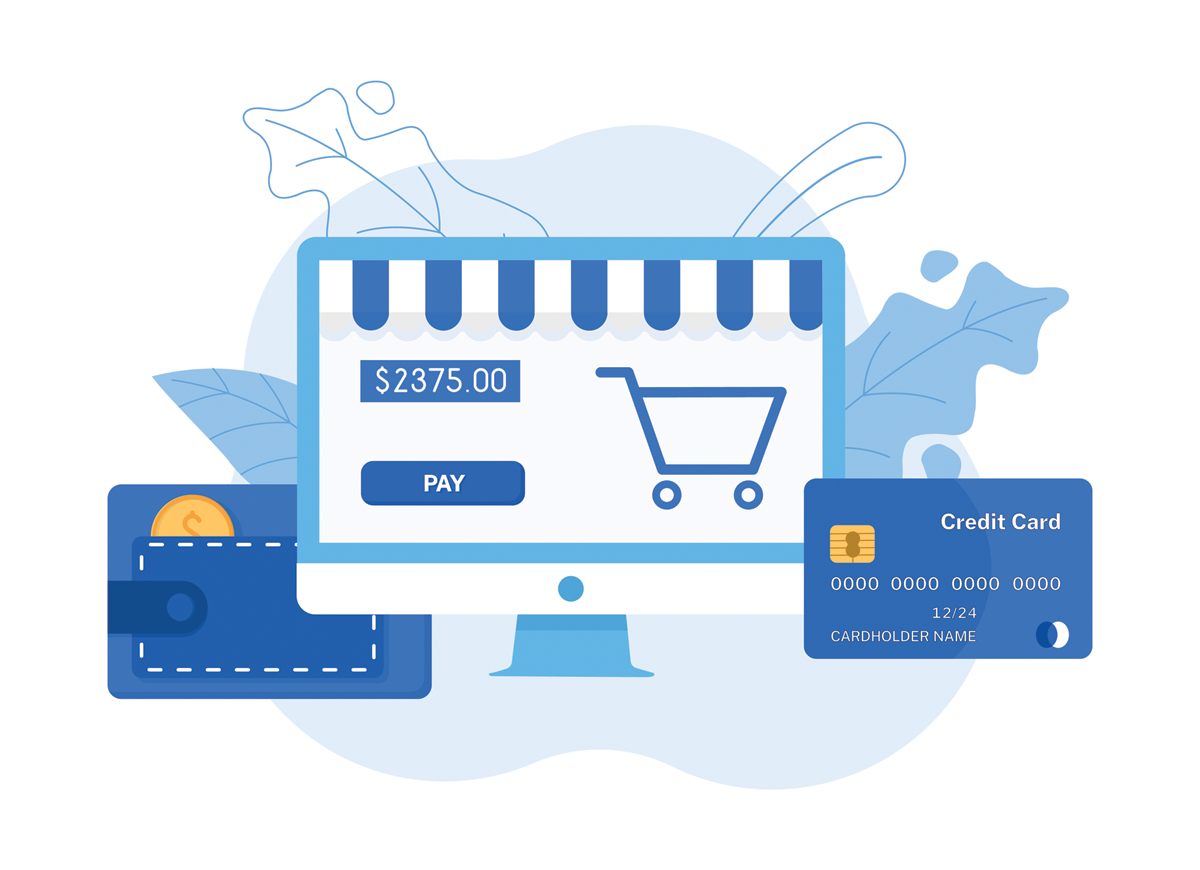
Getting someone to visit your online store is one thing, getting them all the way through checkout is another. A lot of eCommerce businesses focus heavily on products, marketing, and traffic. Fair enough but payment options can have a surprisingly large impact on sales. You might have a great product and a competitive price, but if customers reach the checkout and can’t pay the way they prefer, some will simply leave.
In Australia, payment habits have shifted quite a bit over the past few years. Credit cards are still common, but digital wallets and Buy Now Pay Later services have become part of everyday shopping for many consumers. The challenge for store owners is figuring out which options are worth offering and which make sense for their audience.
Credit and Debit Cards Are Still the Foundation
For most eCommerce stores, accepting Visa and Mastercard isn’t really optional as customers expect it.
Whether someone is ordering work boots, replacement parts for machinery, pet supplies, or a new laptop, card payments remain one of the most familiar ways to pay online. The good news is that modern payment gateways have made card processing relatively simple. Platforms like Stripe and Square handle much of the heavy lifting, including security requirements and fraud monitoring. That said, cards alone probably aren’t enough anymore.
PayPal Still Builds Trust
Some shoppers simply feel more comfortable using PayPal. In many cases, it’s less about convenience and more about confidence. Customers don’t need to enter card details directly into your website, and that extra layer can help reduce hesitation, especially for first-time buyers.
We’ve seen this across industries. A customer might happily purchase from a large national retailer using a credit card but choose PayPal when buying from a smaller business they’ve only just discovered.
The fees can be slightly higher than some alternatives, but for many stores, the additional conversions make it worthwhile.
Buy Now Pay Later Has Changed Buying Behaviour
Australia was one of the early leaders in Buy Now Pay Later adoption, and services like Afterpay, Zip, and Klarna remain popular.
The appeal is fairly simple. Instead of paying $400 upfront, customers can spread the cost over several installments. For retailers, this often leads to larger average order values. Someone comparing two products may feel more comfortable purchasing the higher-priced option when payments are split over time.
Of course, BNPL isn’t a perfect fit for every business. Transaction fees tend to be higher, so margins need to be considered carefully. Still, for many retail stores, particularly in fashion, beauty, electronics, and homewares, it can be a strong performer.
Digital Wallets Are Becoming Expected
Think about how often people use their phones now. Shopping on mobile devices isn’t an occasional thing anymore. That’s where Apple Pay and Google Pay come in.
Instead of typing card numbers, expiry dates, and security codes, customers can approve payments with a fingerprint or facial recognition. The process takes seconds. You might notice this yourself when shopping online. If Apple Pay is available, many people will choose it simply because it’s quicker. Reducing checkout friction matters as even small delays can affect conversion rates.
Bank Transfers Still Have a Place
Bank transfers don’t get as much attention as newer payment technologies, but they’re still useful in certain situations.
Businesses selling high-value products, custom services, wholesale goods, or specialised equipment often find that some customers prefer direct transfer options.
Australia’s PayID system has made transfers faster and easier than they used to be. In many cases, payments arrive almost instantly. It’s not likely to become your primary payment method, but offering it as an option can help accommodate different buyer preferences.
Security Matters More Than Most Businesses Realise
Customers rarely talk about payment security when everything works properly but they notice when it doesn’t.
A secure checkout process helps build trust before a customer even thinks about it. SSL certificates, PCI-compliant payment gateways, fraud monitoring tools, and secure payment processors all play a role.
Most shoppers aren’t cybersecurity experts. They’re looking for signals that your store appears legitimate and safe. Recognisable payment providers often help with that.
The Right Mix Depends on Your Customers
There’s no universal payment setup that works for every online store. A retailer targeting younger consumers may see strong results from Afterpay and Apple Pay. A B2B supplier selling industrial products might receive most payments through invoices and bank transfers.
That’s why it’s important to look at your actual customers rather than blindly following trends.
Review your data – look at device usage, average order values, customer demographics, and purchasing patterns. Sometimes the answers are already sitting inside your analytics platform.
Your Checkout Experience Matters Too
Offering ten payment methods won’t help if the checkout process is slow or confusing.
We’ve all used websites where checkout feels clunky. Pages load slowly, forms ask for unnecessary information, payment buttons aren’t obvious. Customers abandon the process halfway through. The payment options themselves are only part of the equation.
Good checkout design, fast loading speeds, mobile usability, and reliable integrations all work together. This is often where businesses investing in professional web design Melbourne services start seeing measurable improvements in conversion rates. Small adjustments can make a bigger difference than most people expect.
Choosing Payment Options That Support Growth
For most Australian eCommerce businesses, a balanced approach works best. Credit cards remain essential, while PayPal, digital wallets, and Buy Now Pay Later services provide the flexibility many customers now expect.
The goal isn’t to offer every payment method available, it’s to remove barriers that stop people from completing a purchase.
At MakeMyWebsite, we help businesses create eCommerce websites that do more than simply process transactions. From secure payment integrations and checkout optimisation to performance improvements and ongoing support, we focus on the areas that directly impact sales. As specialists in web design Melbourne businesses trust, we ensure your website, payment systems, and customer experience work together seamlessly, helping you create an online store that’s built for growth.












 1300769302
 info@makemywebsite.com.au