

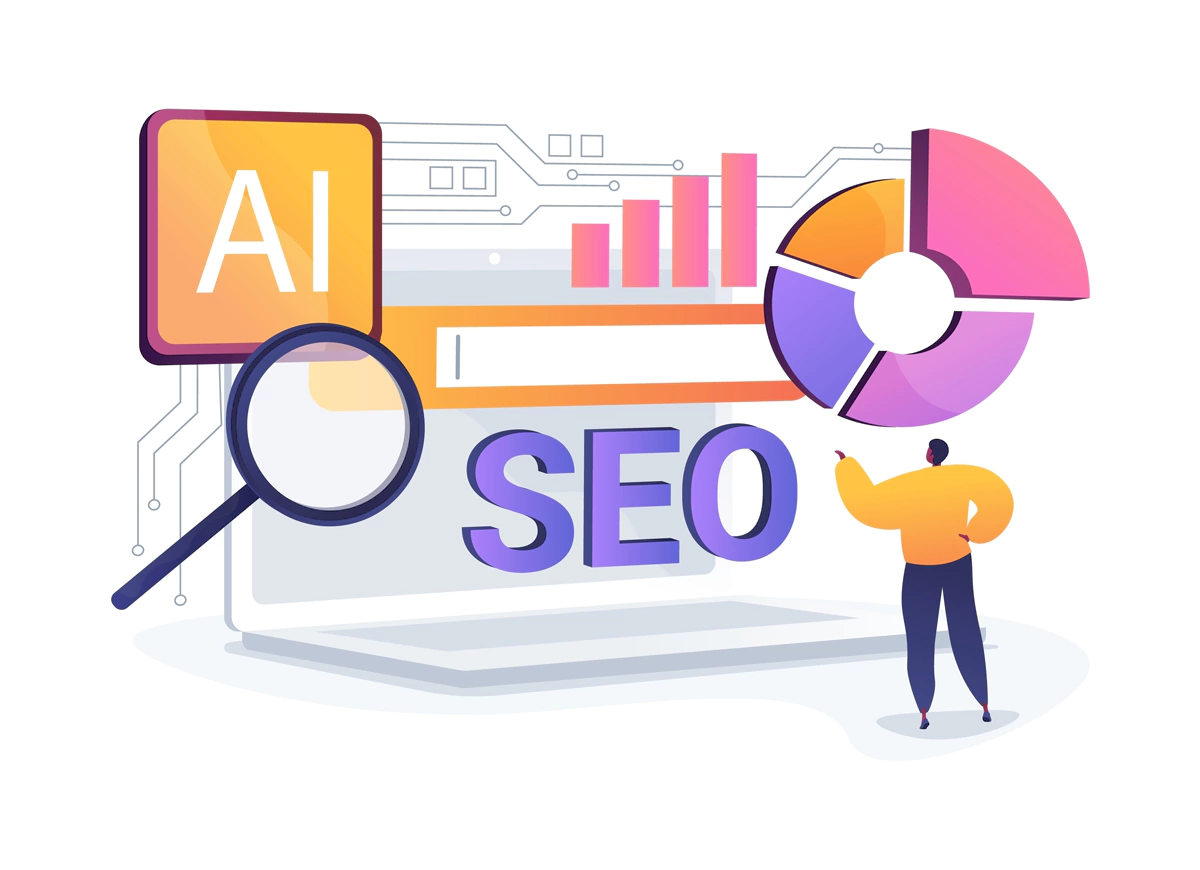
Not long ago, SEO felt predictable. You researched keywords, wrote content around them, built a few links, and waited. Results weren’t instant, but the process made sense. Today, many businesses feel like that playbook doesn’t quite work anymore.
You might see rankings holding steady while traffic dips or a page you barely touched suddenly starts performing better. These changes aren’t random. Search engines are now heavily powered by AI systems that evaluate content more like a person would than a machine scanning text.
That shift is reshaping SEO in ways that are subtle day to day but significant over time.
Search Engines Are Trying to Think Like Users
AI-driven search focuses less on exact wording and more on intention. When someone types a query, the system tries to understand what problem sits behind it.
Take a simple example. A search about building a business website could mean very different things. One person wants pricing, another wants timelines, someone else may be comparing agencies after a bad experience. Older SEO methods treated all those searches similarly but AI separates them.
This is why some pages rank even without repeating a keyword constantly. They work because they address the broader topic clearly. The content feels complete, not optimised for a formula.
In practice, writing now resembles explaining something to a client across a table rather than writing for an algorithm.
Related Read – What Is Local SEO and How Can It Help Your Business?
Traffic Is Changing Shape
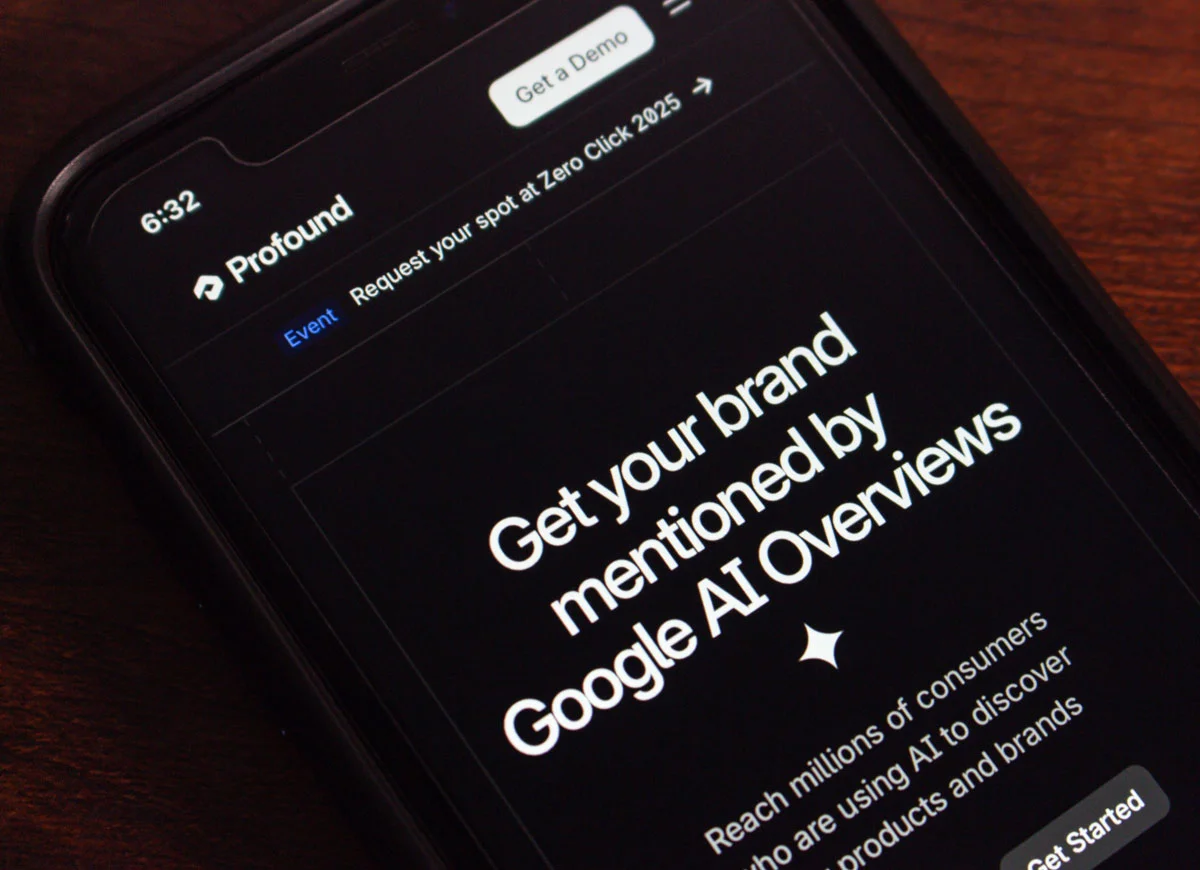
A common concern businesses raise lately is reduced blog traffic. AI-generated summaries appearing in search results answer many early questions instantly.
Across several industry reports, informational clicks have dropped by roughly 20% on average. That sounds worrying until you look closer at behaviour after the click.
Visitors arriving today often spend less time browsing randomly but more time checking service pages, pricing, or portfolios. They already understand the basics before they land. So while total numbers may look smaller, intent is often stronger. SEO is becoming less about volume and more about relevance.
The Internet Has Enough Generic Content
AI can already summarise common information in seconds. Because of that, broad, surface-level articles are slowly fading from visibility. What tends to perform better now includes specific insight. Small lessons learned from real projects, honest explanations of mistakes or unexpected outcomes.
For instance, explaining why a beautifully designed homepage failed to convert on mobile carries more weight than listing general design tips. Readers connect with practical experience, and search engines appear to recognise that difference.
Interestingly, writing doesn’t need to sound perfect. Slight variation in tone or pacing often feels more credible than highly polished marketing language.
Related Read – Shopify SEO
Trust Has Become a Core Ranking Signal
SEO used to focus heavily on individual pages. Now search engines look at the bigger picture of a business. They analyse reviews, brand consistency, updated information, and whether a company demonstrates real activity online. Case studies, team visibility, and genuine testimonials all contribute to credibility.
In simple terms, search engines are asking: does this business look real and reliable?
When that answer is clear, rankings tend to stabilise. When it isn’t, even well-written content struggles.
Technical SEO Still Matters Quietly
While AI content tools dominate conversations, technical fundamentals do a lot of unseen work. Fast loading speed, mobile responsiveness, and logical site structure help AI systems crawl and interpret pages efficiently. Many high-performing websites now load in under three seconds, especially on mobile devices where most searches happen.
Users rarely notice these improvements directly. They just feel that a site works smoothly, and they stay longer. That behaviour feeds back into search performance.
Related Read – BigCommerce SEO
People Search More Naturally Now
Search queries increasingly sound like real questions as voice search and AI chat tools have changed habits. Instead of short phrases, people ask complete questions about costs, timelines, or expectations. Content that answers these directly tends to perform well because it aligns with how people actually think.
Often, the best SEO topics come straight from customer conversations. If clients ask something repeatedly, chances are others are searching for it too.
Design and SEO Are Now Closely Connected
There’s less separation between web design and SEO than before. Search engines monitor how users interact with pages. If visitors struggle to navigate or quickly leave, rankings can slowly decline.
Clear layouts, readable text, and straightforward navigation help users move naturally through a website. When people find what they need without effort, engagement improves, and search engines interpret that as a positive signal.
Sometimes improving SEO isn’t about writing more content, it’s about removing confusion.
Related Read – WordPress SEO
Local Search Is Becoming More Personal
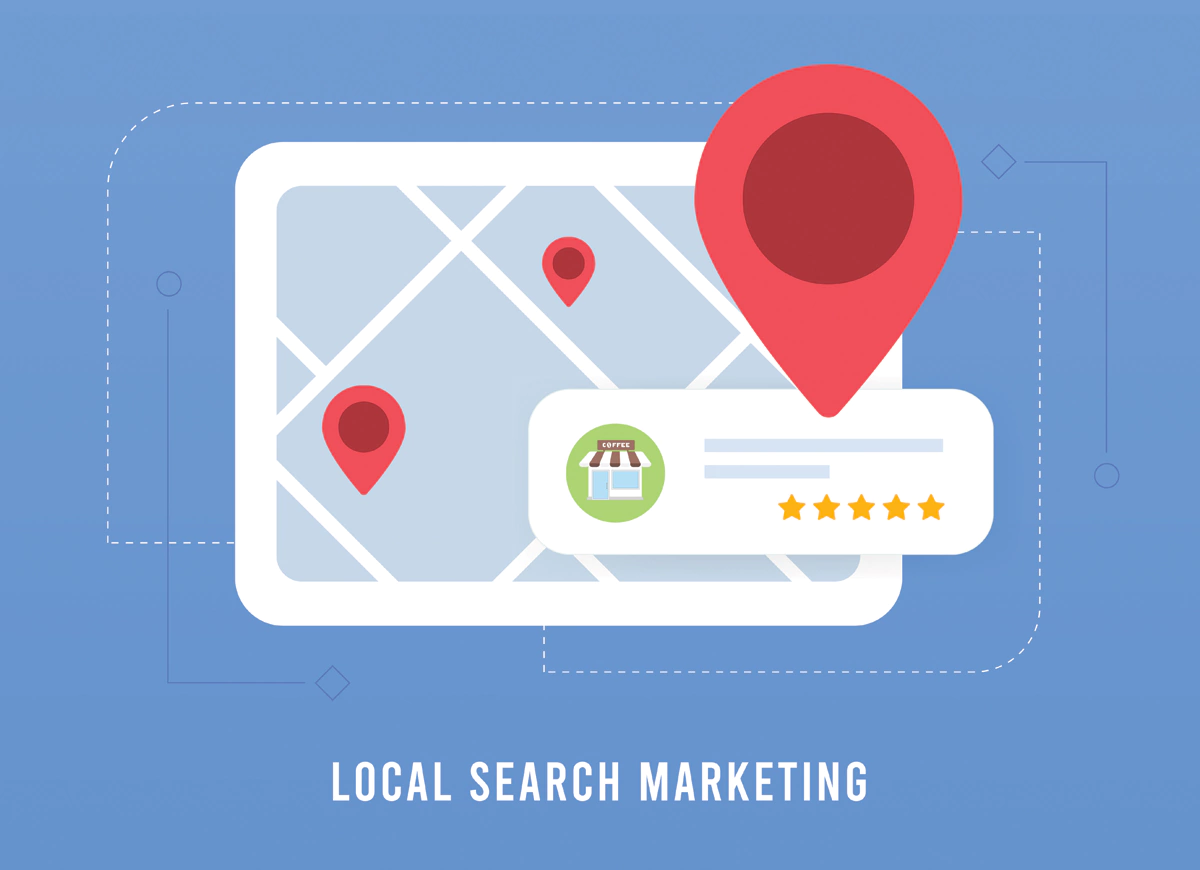
AI tailors results based on location and user behaviour. Two people searching the same service may see entirely different businesses. For service-based companies, local relevance is increasingly important. Mentioning real service areas, local challenges, or regional experience helps search engines understand who you serve.
Focused strategies in competitive regions, continue to deliver steady visibility because they align closely with user intent rather than broad exposure.
AI Tools Help, but They Don’t Replace Experience
AI has made research faster and content planning easier. Tasks that once took hours now take minutes. But fully automated writing often lacks judgement. It can explain what something is, but not always why it matters to a business owner making a real decision.
The strongest SEO work today combines AI efficiency with human understanding. Editing, perspective, and experience still make the difference between content that ranks briefly and content that builds authority over time.
Related Read – Enterprise SEO
Where SEO Is Heading
Looking ahead, SEO feels less technical and more practical. Businesses seeing consistent growth are usually doing a few simple things well:
- Answering real customer questions honestly
- Keeping websites fast and easy to use
- Updating existing content instead of publishing endlessly
- Showing real proof of work and outcomes
Search engines are moving closer to how people evaluate businesses offline. Reputation, clarity, and usefulness matter more than clever optimisation.
Let’s Prepare Your Website for Modern Search
AI isn’t replacing SEO. It’s removing shortcuts and rewarding businesses that genuinely help their audience.
At Make My Website, we work with companies to align web design, technical performance, and content strategy with how search engines work today. The goal isn’t quick wins but steady visibility that continues to grow as search evolves.
If your website feels stuck using older SEO approaches, now is a good time to rethink the strategy. Reach out to our team for SEO in Perth and let’s build something ready for where the digital world is heading next.













 1300769302
 info@makemywebsite.com.au