

AI has become part of web design faster than most people expected. What started as small automation – resizing images, generating placeholder text, has quickly turned into something far more capable. Today, you can generate layouts, write code, and launch a basic website in a few hours without much technical experience. That shift is real and you can see it in how small businesses are getting online, how agencies are working faster, and how tools are evolving almost monthly.
So naturally, the question comes up more often now: is AI replacing web design?
Not really. What’s actually happening is more of a shift in how the work is done. And if anything, it’s pushing the industry toward better, more thoughtful outcomes.
The starting point has changed
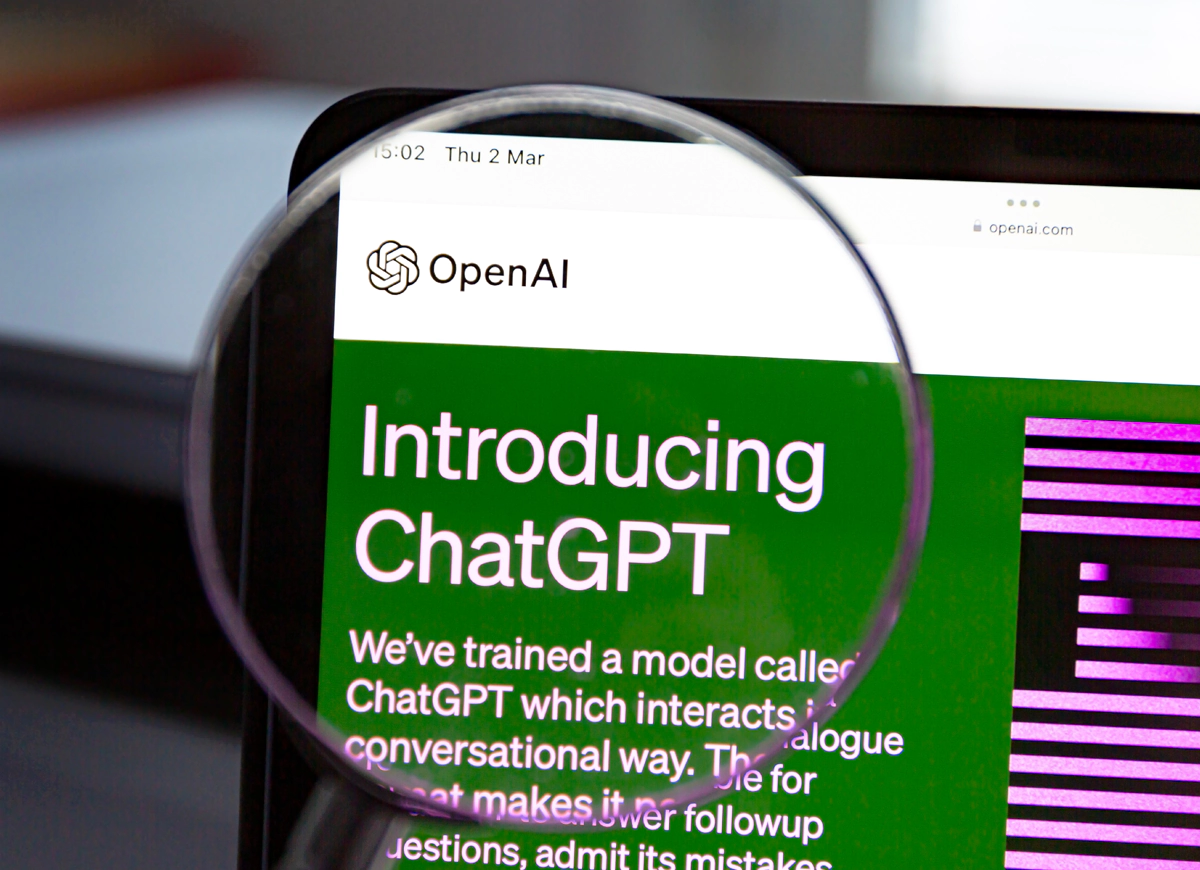
If you’ve worked on a website recently, you’ve probably felt this already. You’re no longer starting from a blank screen. You open a tool, type a prompt, and within seconds you have a layout, some content, and a rough structure to work with.
For a small business owner, that removes a lot of friction. A local service business, say a plumber or a fitness coach can now get a basic site live without hiring a team straight away. That’s a meaningful change but it also comes with a limitation.
AI handles:
- Initial layouts
- Basic code structure
- Content placeholders
- Simple design systems
What AI produces is usually functional, not necessarily effective. It gives you something usable, but not something that’s been thought through in terms of audience, positioning, or long-term performance.
In most cases, it gets you part of the way but the rest still needs to be shaped.
What AI is already taking over
While the role of web developers and designers remain significant, some types of work are already being reduced.
Basic websites are the most obvious example. If a business just needs a few pages and a contact form, AI tools can now handle that fairly well. Repetitive tasks are also being automated. Writing standard code, setting up layouts, and creating simple structures no longer take the same amount of time.
Even the early stages of projects have shifted. Instead of starting from scratch, most teams now generate a first version and refine it. This doesn’t remove the need for designers or developers, it just moves their focus to a different part of the process.
Related Read – How AI-First Web Design Will Change Marketing in 2026
Where the gap starts to show
The difference becomes clearer once you move beyond simple use cases. There’s a noticeable gap between a website that exists and a website that actually works for a business.
AI is good at patterns, it knows where things usually go and can follow structures that have worked before. What it doesn’t do particularly well is understand intent.
It doesn’t fully grasp:
- Why a user might hesitate before clicking a button
- How messaging affects trust
- What makes one brand feel different from another
That’s usually where human input makes the difference. AI-generated outputs often need refinement before they’re ready to use. Accessibility issues, performance problems, or messy code structures still show up and need to be fixed. So while AI speeds things up, it doesn’t remove the need for oversight.
Will AI Replace Web Designers?
This question comes up a lot, and it’s easy to see why. AI can generate layouts, suggest colour schemes, and produce variations almost instantly. On the surface, it looks like it’s doing what designers do. But design isn’t just about producing layouts.
It involves understanding context – who the audience is, what they expect, and how a brand should be presented. Those decisions don’t come directly from data alone. Most AI-generated designs follow familiar patterns. They’re usually clean and usable, but often a bit generic. You might not notice it immediately, but over time, they tend to blend together. That’s part of the reason why human input is still important.
Designers are shifting toward more strategic work, defining how a site should behave, how users move through it, and how the overall experience feels. Industry data shows that a large majority of designers already use AI in their workflow, not as a replacement but as an assistant that speeds things up. So no, designers aren’t being replaced. Their role is becoming more focused on direction rather than execution.
Will AI Replace Web Developers?
Developers are going through a similar shift, although it shows up a bit differently. AI is very good at handling structured, repeatable tasks. Writing basic code, generating components, and even suggesting fixes can now be done quickly with the right tools. That reduces the time spent on routine work. But real-world development rarely stays within predictable boundaries.
Developers still deal with:
- System integrations that don’t fit neatly together
- Performance issues under real traffic
- Security and data handling
- Infrastructure decisions that affect scalability
These are not tasks you can fully automate. Even platforms that promote AI-driven development still rely on developers to guide the process, review output, and make critical decisions. Most industry perspectives agree that AI is augmenting development, not replacing it.
In practice, this means developers are spending less time writing basic code and more time solving complex problems.
Related Read – How Your Old Web Design Negatively Affects Your Business
The work hasn’t disappeared, it’s moved.
If you step back, the pattern becomes fairly clear. AI is taking over the predictable parts of web design and development. What’s left is everything that requires judgement.
That includes:
- Deciding what a website should actually achieve
- Adjusting when something doesn’t work as expected
- Balancing trade-offs between speed, cost, and quality
This shift is already visible in how teams operate. Early stages move faster, but more attention is given to refinement, performance, and long-term results. In a way, the work becomes less about building and more about directing.
Why this shift is actually positive
It might sound like automation is reducing the value of design and development, but the opposite is happening. As basic work becomes easier, the difference between average and high-quality work becomes more obvious. That raises the standard. Businesses are starting to expect more than just a functional website. They want something that loads quickly, works across devices, and supports real outcomes like leads or sales.
AI helps with speed, but it doesn’t guarantee those results. That’s where experienced designers and developers come in. In fact, as more websites are generated quickly, the demand for thoughtful, well-executed work tends to increase.
What this looks like in practice
In Australia and similar markets, you can already see how this is playing out.
- Small businesses are more willing to use AI tools directly, mainly to reduce costs. For simple use cases, that often works.
- Mid-sized businesses tend to combine both approaches. They might start with AI and then bring in professionals to refine the result.
- Larger organisations still rely heavily on experienced teams. The risks around performance, compliance, and brand are too high to rely entirely on automation.
At the same time, expectations have shifted. Users expect websites to load quickly, work seamlessly on mobile, and feel intuitive. Even small delays or awkward user flows can affect how people engage with a site. So while it’s easier to launch a website, it’s harder to build one that performs well.
What this means for businesses
There are more options now than there used to be. You can build something yourself using AI. You can use AI as a starting point and then refine it with professional help. Or you can work with a team from the beginning. The right choice depends on how important the website is to your business.
If it’s just an online presence, AI might be enough. If the website plays a bigger role, like bringing in leads, supporting growth, or representing your brand, then the limitations of AI tend to show up over time. In many cases, businesses end up using both – AI for speed, and people for direction.
Related Read – Custom Web Design Vs. Website Templates
So, is AI replacing professional web design?
No. It’s changing how web design works, but not removing the need for it. AI is making the process faster and more accessible. It’s reducing the time spent on repetitive work and raising the baseline for what a basic website looks like. At the same time, it’s making good design and development more noticeable. Because once the basics are easy, the details start to matter more. And those details still depend on human thinking.
Final thoughts
AI has changed the entry point into web design. You can get something live faster than before, but that’s enough. A website still needs to function properly, represent a business clearly, and deliver the desired results. It needs to work under real conditions, not just look good at launch.
While AI helps you move faster, designers and developers make sure you’re moving in the right direction. And that’s why, despite all the changes, web design isn’t being replaced, it’s being reshaped. If you are about to start your web design journey and wish to know more about the difference that a professional team could make, get in touch with us at Make My Website and we will guide you through. With us, navigate the changes that AI has brought in and ensure you design, develop and launch your website in the best way possible.
FAQs
1. Will AI completely replace web designers?
No. AI is automating repetitive tasks, but designers are still needed for strategy, branding, and user experience decisions.
2. Will AI replace web developers in the future?
No, AI is improving efficiency, but developers are still essential for complex systems, integrations, and performance.
3. Can AI build a professional website on its own?
It can build a functional site, but most professional websites still require human refinement.
4. Why do AI-generated websites often look similar?
Because they rely on existing patterns and data. This leads to designs that are consistent but not always distinctive.
5. Should businesses rely entirely on AI for web design?
For simple projects, it can work. For anything more critical, combining AI with professional expertise is always more effective.







 1300769302
 info@makemywebsite.com.au