

Have you ever found yourself wondering whether it’s better to Search Google or type a URL directly when browsing the web? It’s one of those small decisions that can actually shape your online experience in different ways. The way you navigate to a website can vary depending on your goals and how familiar you are with what you’re looking for. Let’s break down the benefits of both approaches and when each method might be your best option.
Search Google: The Go-To for Discovery
When you don’t know exactly what you’re looking for, searching Google is your best bet. It’s like walking into a store when you’re not sure what you want yet, get a bunch of options, and start looking around.
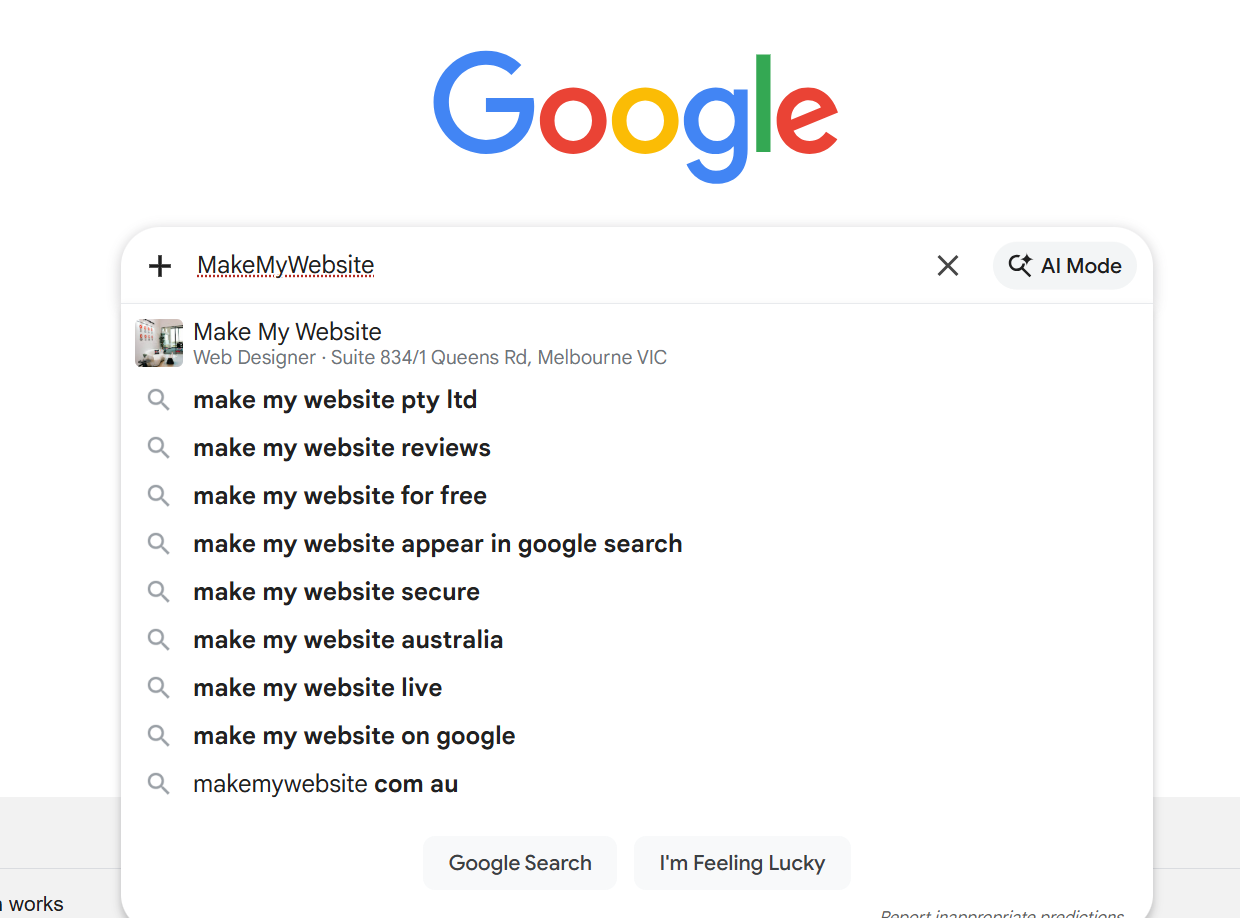
- Exploring and Comparing: Let’s say you’re searching for a new restaurant. You don’t know exactly where you want to eat, so you search “best restaurants nearby.” Suddenly, you’ve got a list to explore, check out reviews, look at photos, and compare places. It’s a great way to see your options before you pick one.
- Finding Fresh Ideas: Maybe you’re designing a website and need some inspiration. Searching “modern web design ideas” on Google gives you a variety of examples. You can scroll through, pick up ideas, and decide which ones resonate with you. It’s perfect when you’re in the “what’s out there?” phase.
- Quick Access to Information: If you’re just looking for something specific, like “how to fix a leaky faucet,” Google’s there to quickly show you answers, videos, and step-by-step guides.
But Here’s the Thing…
Google’s great for exploration, but it can be a bit much sometimes. You might get bombarded with ads or see results that aren’t exactly what you’re looking for. The top results may not always be the best. You might have to click through a few pages before finding what’s really useful. But again, that’s what happens when you’re exploring, right?
Typing a URL: When You Know Exactly Where You’re Going
Now, if you already know where you’re headed, typing in a URL can save you time. No need to sift through Google results when you know exactly what you want.
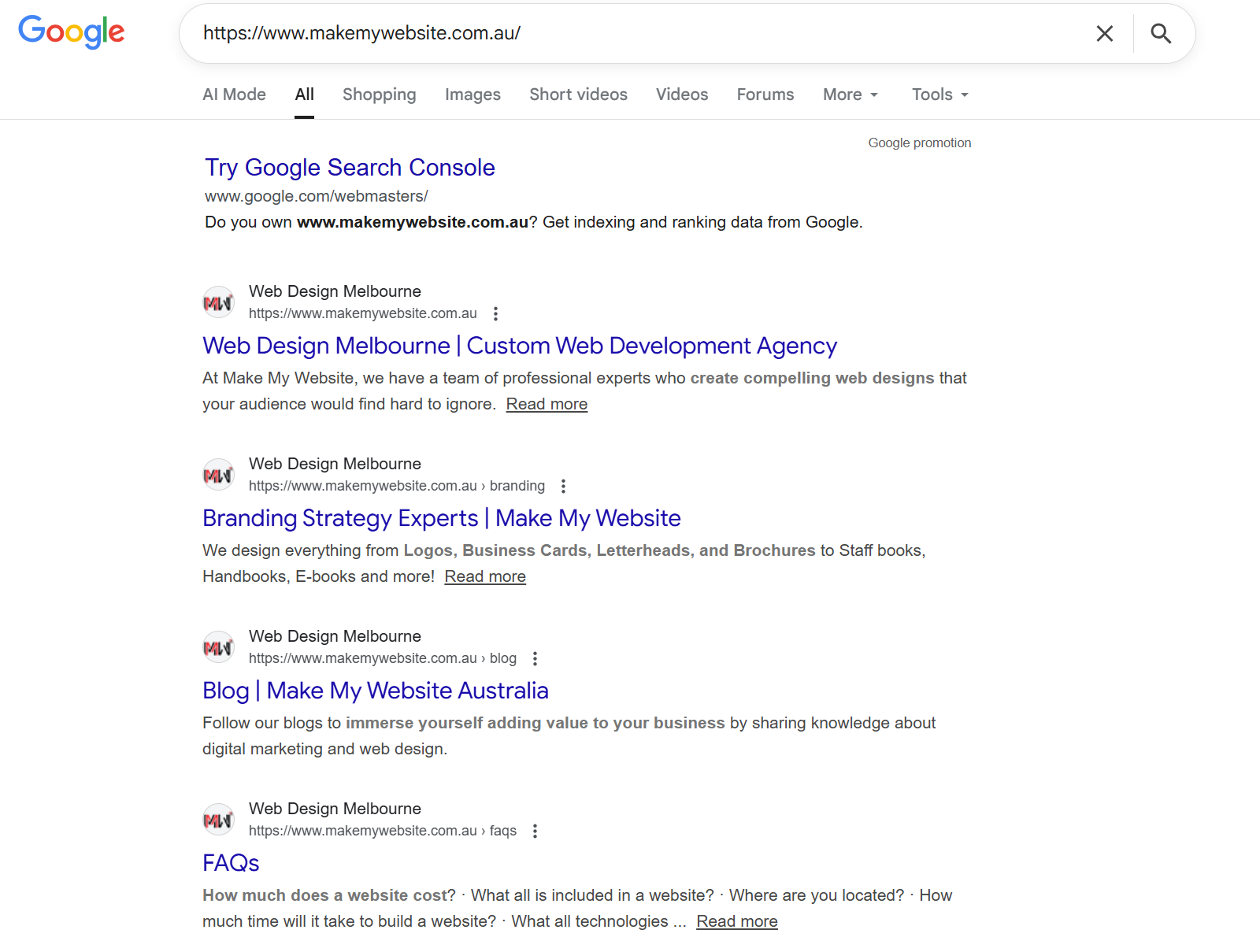
- Quick Access: Let’s say you’re going back to a website you’ve visited before. Maybe you’re checking out your favorite e-commerce store or a blog you read often. Just typing in the URL and hitting enter gets you straight there. Easy.
- Less Clutter: One of the best things about typing in a URL is that you skip the search results, which can sometimes be full of irrelevant links or ads. If you’ve been there before, why waste time searching again?
- Trust: You are more likely to type the URL if you’ve visited a site before. You know it works, you like it and trust it. When something works, you stick with it. Typing in the URL feels quicker than going back through search results.
The Catch?
Of course, if you don’t remember the URL or if it’s long and complicated, you’re kind of stuck. In that case, you’ll have to go back to Google and search for the site. So, typing in a URL only works if you know the address, if not, you’re back to searching.
The Psychology of Navigation: Why Do We Choose One Over the Other?
The Search Google or Type a URL debate is not just about convenience, there’s a bit of psychology behind these choices. Some of it is based on how much effort we’re willing to put in, and some of it is just the comfort of knowing where we’re going.
Cognitive Load
- Memory Limitations: If the URL is long or hard to remember, your brain will likely tell you to search for it instead. It’s easier to let Google handle the details than to try to remember a complicated web address.
- Uncertainty: If you’re not sure where to go, you’re probably more likely to search on Google. It’s just easier when you don’t have a clear destination in mind. With Google, you’re given options, and if one doesn’t work, you can move on to the next one.
Familiarity
- Trust: You’ll probably notice that if you’ve been to a site before, you’re more likely to just type in the URL. If you’ve had a good experience there before, you know you’ll get what you need. On the flip side, if you’re unfamiliar with a site, you might hesitate and opt to search for it instead.
- Brand Recognition: Well-known brands often see people type their URL directly because folks already know them and trust them. If you’ve visited the site a bunch of times, the address is probably stored in your memory, and you don’t need to search for it again.
Mobile vs. Desktop: Does It Change the Game?
Your device also plays a role in how you navigate. If you’re on your phone, searching might just be easier. If you’re on a desktop, typing in the URL is probably a little faster.
- Mobile: When you’re on a small screen, typing a URL can be annoying, especially if it’s long. Plus, mobile users tend to rely on voice search or auto-suggestions in Google’s search bar to make the process quicker.
- Desktop: On a computer, with a full keyboard and larger screen, typing URLs is usually a lot easier. Plus, people tend to use bookmarks more often on desktops, so they skip the whole search process entirely.
Voice Search: The New Trend
By the way, if you haven’t tried it, voice search is on the rise. Instead of typing anything at all, you can just speak your query. If you’re on a mobile device or using a smart speaker, it’s becoming a really convenient option.
A quick “Hey Google” or “Hey Siri,” and you’re good to go. Research shows that about 27% of mobile users now use voice search, and that number is only growing. This trend completely eliminates the need for typing out search terms or even remembering URLs. You don’t need to fiddle with a keyboard or worry about spelling mistakes, just speak naturally, and you’ll get results.
How Does Search Google or Type a URL Affect SEO?
When it comes to SEO (Search Engine Optimisation), both search and direct URL entry are important for getting traffic to your website.
- Direct Traffic: Websites that get a lot of direct traffic (because people are typing in the URL) tend to show strong brand recognition and loyalty. If someone remembers your URL, they trust your site, and that’s a good sign for your brand.
- Search Traffic: Google search traffic helps people discover your site in the first place. The more people search for and click on your website, the more Google will rank you higher in future searches. It’s all about visibility.
Conclusion: What’s the Best Choice?
There’s no one right choice. Whether you search on Google or type in a URL depends on what you need.
- If you’re looking for something new or don’t know where to go, Google is the way to go.
- If you know exactly where you want to go, typing the URL is faster and more efficient.
In the end, the right answer to Search Google or Type a URL is all about what works best for you in the moment and how you want to navigate. Both methods have their strengths, so it’s all about what fits your needs.
For more useful insights and information about SEO, digital trends and website design in Melbourne, don’t hesitate to check out our blog. Also, at Make My Website, we offer expert web design services. So, if you’re in Melbourne and looking for a team that you can partner with in your web development or optimisation journey, feel free to get in touch with us. Reach out today and let’s bring your ideas to life!
FAQs
1. How do people usually find websites faster: Search Google or Type a URL?
Typing a URL is usually faster when the exact address is known and short, especially for frequently visited sites. However, many users rely on Google search because it removes the need to remember precise URLs and helps avoid typing errors. Search is also useful when users are comparing options
2. Can the way users access a website affect its visibility or performance in search results?
The access method itself does not directly affect rankings, but user behaviour does. When users consistently click a result, stay on the page, and do not return immediately to search results, it sends engagement signals that search engines may interpret as relevance. Over time, this can influence how prominently a page appears,
3. How does URL structure influence user trust and ease of navigation?
A clear and readable URL helps users understand where they are on a site before clicking. Short URLs with descriptive words tend to be easier to remember, easier to share, and more trustworthy than long strings of numbers or symbols. Well-structured URLs also make it easier for users to navigate between related pages.
4. Why are dashes more common than underscores in URLs?
Dashes are treated as word separators by search engines, making URLs easier to read and understand. Underscores are usually read as part of one word, which can reduce clarity. For this reason, dashes are generally preferred for public-facing URLs.














 1300769302
 info@makemywebsite.com.au