

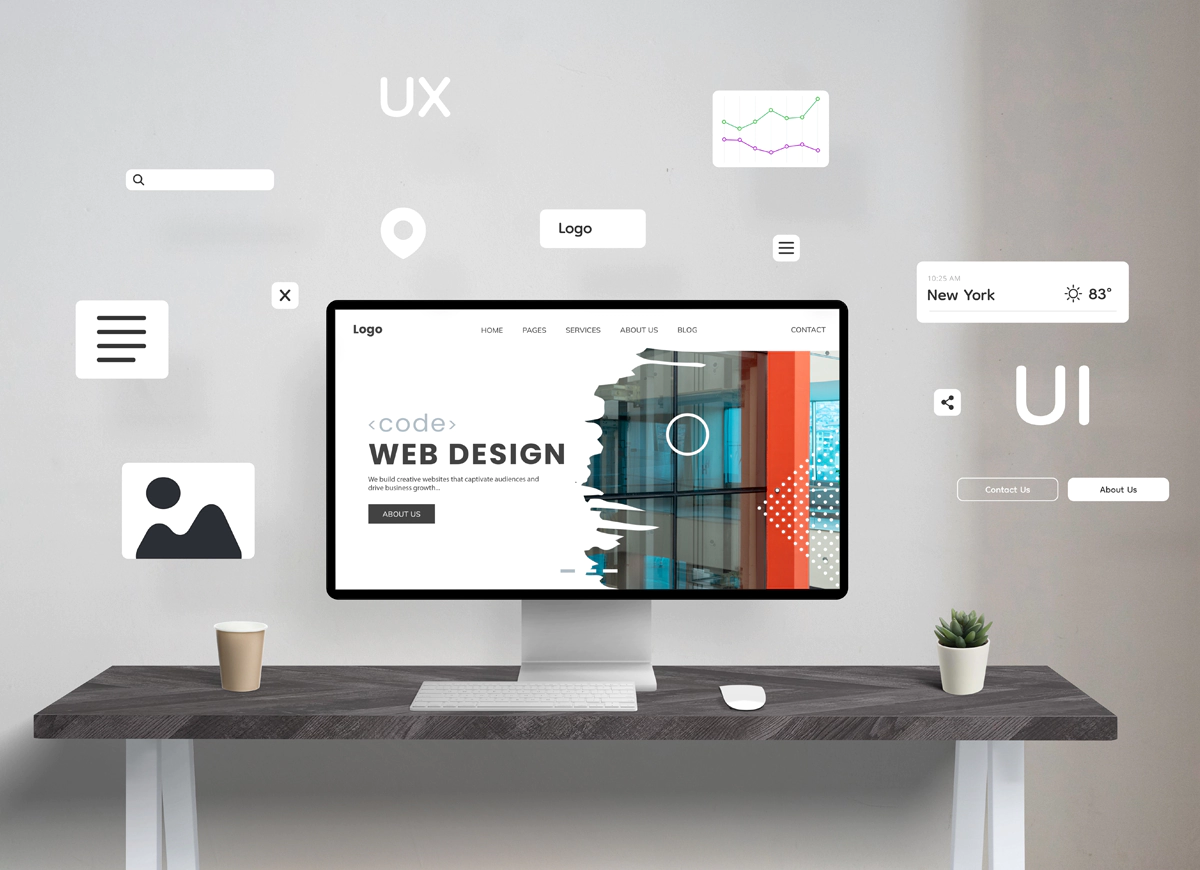
A website isn’t something businesses launch and forget anymore. It has become part of day-to-day operations, influencing everything from lead generation and customer support to search visibility and brand credibility. In many industries, it’s the first interaction someone has with your business, and those first few moments often shape whether they stay or leave.
Customer expectations have also changed. Fast-loading pages, simple navigation and a seamless mobile experience aren’t considered premium features anymore, they’re expected. If a website feels slow, difficult to use or outdated, visitors rarely spend time figuring out why. They’ll move on and continue their search elsewhere.
That’s why investing in a modern website isn’t just a marketing decision, it’s a business one.
For businesses looking at web design in Melbourne, the conversation has shifted well beyond colours and layouts. Today’s websites need to support search engine performance, convert visitors into enquiries, and remain flexible enough to grow alongside the business.
A Good Website Removes Friction
One of the biggest differences between an average website and a high-performing one is how easily visitors can complete a task.
That task might be requesting a quote, booking an appointment, downloading a brochure or making a purchase. Every unnecessary click, confusing menu or lengthy form creates another opportunity for someone to leave.
This is where user experience (UX) becomes important. Good UX isn’t about adding more features but about removing obstacles.
A landscaping company, for example, doesn’t need a complicated homepage filled with animations. Most potential customers are looking for recent projects, service areas, reviews and a straightforward way to request a quote. If those details are easy to find, the website is already doing much of its job.
The same principle applies across almost every industry. Visitors arrive with a purpose, and the website should help them achieve it without making them work for basic information.
Design Influences Trust More Than Most Businesses Expect
People naturally make quick judgements online. While those decisions aren’t always conscious, they influence how trustworthy a business appears.
An outdated website can raise questions that have nothing to do with the quality of the service itself.
- Is the business still operating?
- Are the contact details current?
- Is the information accurate?
- Will someone actually respond?
Professional photography, consistent branding and clear content all contribute to credibility, but so do smaller technical details. Broken links, inconsistent fonts, poor spacing and slow-loading pages can create doubt, even if visitors can’t immediately explain why.
Trust is built through consistency. Every page should feel like it belongs to the same business, with a clear visual hierarchy that helps users understand where to look next.
Mobile Performance Shapes the Overall Experience
For many businesses, mobile devices now account for the majority of website traffic. That’s particularly true for local services where customers are searching while travelling, comparing providers or looking for immediate contact details.
Designing for mobile isn’t simply about making a desktop layout smaller. Navigation behaves differently, images load differently and users interact with content using their thumbs rather than a mouse.
Buttons need enough spacing to avoid accidental taps. Text should remain readable without zooming. Contact forms should be short enough to complete comfortably on a phone.
These details sound minor individually, but together they influence whether visitors complete an enquiry or abandon the process halfway through.
Speed Has Become Part of User Experience
Website performance affects far more than convenience. Search engines now evaluate performance signals such as loading speed, layout stability and responsiveness through Core Web Vitals. These metrics help measure how usable a website feels under normal browsing conditions.
A website doesn’t need dozens of animations or oversized videos to make an impression. In fact, many of the highest-performing websites rely on relatively simple layouts supported by clean code, compressed images and efficient hosting.
Performance optimisation often involves technical improvements such as:
- Image optimisation using modern file formats
- Code minification
- Browser caching
- Lazy loading
- Reduced JavaScript where possible
- Reliable hosting infrastructure
None of these improvements are particularly noticeable on their own. Together, they create a smoother browsing experience that supports both SEO and conversions.
SEO Starts Long Before Content Is Published
Many businesses still treat search engine optimisation as something that happens after a website goes live. In practice, much of SEO begins during planning and development.
- Information architecture determines how pages connect to one another.
- Heading structures help search engines understand content.
- Internal linking distributes authority across the website.
- URL structures influence both usability and indexing.
Technical decisions made early in a project often have long-term consequences. For example, adding new service pages becomes much easier when the navigation and page hierarchy have been planned properly from the beginning. If the structure is disorganised, expanding the website later usually requires additional development work.
A well-designed website gives future SEO campaigns a stronger foundation instead of forcing businesses to fix structural issues later.
Accessibility Benefits Every Visitor
Accessibility is sometimes viewed as a compliance requirement, but its practical value extends much further.
- Clear typography helps users reading on smaller screens.
- Logical heading structures improve readability.
- High colour contrast makes content easier to scan in different lighting conditions.
- Alternative image text assists screen readers while also supporting search engines in understanding visual content.
Simple improvements often make a website easier for everyone to use, regardless of age, ability or device.
Accessibility also encourages cleaner design decisions. Rather than relying on decorative elements to communicate information, accessible websites prioritise clarity, consistency and straightforward navigation.
Those qualities rarely go unnoticed by users, even if they never think about accessibility directly.
Modern Websites Need Room to Grow
Businesses change over time. Services expand, new locations open, product ranges evolve and customer expectations shift. A website should support those changes rather than become a limitation.
Scalable content management systems, flexible page templates and organised site architecture make future updates much easier. Instead of rebuilding the website every few years, businesses can continue refining and expanding what already exists.
That flexibility becomes increasingly valuable as marketing strategies develop. New landing pages, campaign-specific content, location pages and resource libraries can all be added without disrupting the overall user experience.
A website works best when it’s treated as an evolving business asset rather than a finished project.
Personalisation Is Becoming More Practical
Personalisation has been part of digital marketing for years, but it’s becoming more accessible for businesses of all sizes. You don’t need an enterprise-level platform to deliver a better experience.
A returning visitor might see recently viewed services. An online store can recommend related products based on browsing history. Service businesses can guide users to relevant locations or industry-specific pages instead of sending everyone to the same generic content.
The objective isn’t to overwhelm visitors with technology. It’s to reduce the number of steps between arriving on the website and finding the information they’re looking for.
That also applies to AI-powered features. Chatbots, intelligent search and automated enquiry handling can be useful when they’re implemented with purpose. They should solve common problems, not replace genuine customer support. Visitors still expect the option to speak with a real person when needed.
Security Is Part of Your Brand Reputation
Cybersecurity often sits behind the scenes, but it has a direct impact on customer confidence.
An SSL certificate is now considered the minimum standard. Beyond that, websites should be regularly updated, monitored for vulnerabilities and backed up on a routine schedule. Secure hosting, malware scanning and multi-factor authentication for administrators all help reduce unnecessary risk.
Security issues aren’t only expensive to resolve. They can damage customer trust, interrupt business operations and affect search rankings if a compromised website is flagged by search engines.
For businesses handling online payments, customer information or appointment bookings, maintaining a secure website isn’t optional. It’s part of providing a reliable service.
Data Should Guide Design Decisions
Launching a website isn’t the finish line. Once it’s live, it starts generating valuable information about how visitors interact with it.
Analytics platforms can show where users enter the website, which pages receive the most traffic, how long visitors stay and where they leave. Heat mapping tools provide another layer of insight by revealing which sections attract attention and which are ignored.
This data removes much of the guesswork.
A service page with plenty of traffic but very few enquiries may need stronger calls to action. If visitors consistently leave during the checkout process, simplifying the form or removing unnecessary fields could improve conversions.
Making decisions based on evidence generally produces better long-term results than redesigning pages because something “feels” outdated.
Strong Design Supports Every Marketing Channel
Your website sits at the centre of almost every digital marketing activity.
Paid advertising directs visitors to landing pages. Social media sends users to product pages or service information. Email campaigns encourage recipients to return to the website. Organic search depends on technically sound pages that are easy to crawl and understand.
If those visitors arrive on a website that feels confusing or inconsistent, the effectiveness of every marketing channel is reduced.
That’s one reason businesses sometimes struggle to improve results despite increasing their advertising budget. The issue isn’t always traffic. Sometimes it’s what happens after people arrive.
Improving the website often delivers a better return than simply increasing marketing spend.
Build a Website That Works as Hard as You Do
Your website should support your business every day, whether it’s attracting new customers through search engines, generating enquiries outside business hours or helping existing clients find the information they need. If it isn’t doing that consistently, it’s probably time for a fresh approach.
At Make My Website, we design and develop websites that balance creativity with performance. Every project is built with user experience, technical SEO, mobile responsiveness and long-term scalability in mind, giving businesses a website that’s ready for today and adaptable for tomorrow.
If you’re planning a new website or considering a redesign, get in touch with us at Make My Website. Our Melbourne team works with businesses across a wide range of industries to create websites that don’t just look professional but deliver measurable results.
Frequently Asked Questions
1. How often should a business update its website?
A complete redesign isn’t always necessary. Most businesses should review their website every two to three years, while content, images, software and security updates should happen much more regularly. Small improvements over time are often more effective than waiting several years before making major changes.
2. Does website design affect Google rankings?
Yes. Search engines consider a range of technical and usability factors, including page speed, mobile responsiveness, site structure, accessibility and user experience. A well-designed website creates a stronger foundation for ongoing SEO efforts.
3. Why is mobile optimisation so important?
Mobile devices account for a large percentage of website traffic across most industries. A website that is difficult to use on a phone can lead to higher bounce rates, fewer enquiries and lost sales, even if the desktop version performs well.
4. Can an older website still generate good results?
It depends on how well it has been maintained. Some websites continue to perform well because they’ve been updated regularly, while others become difficult to manage as technology and customer expectations change. A professional review can usually identify whether improvements or a complete redesign would provide better value.












 1300769302
 info@makemywebsite.com.au