

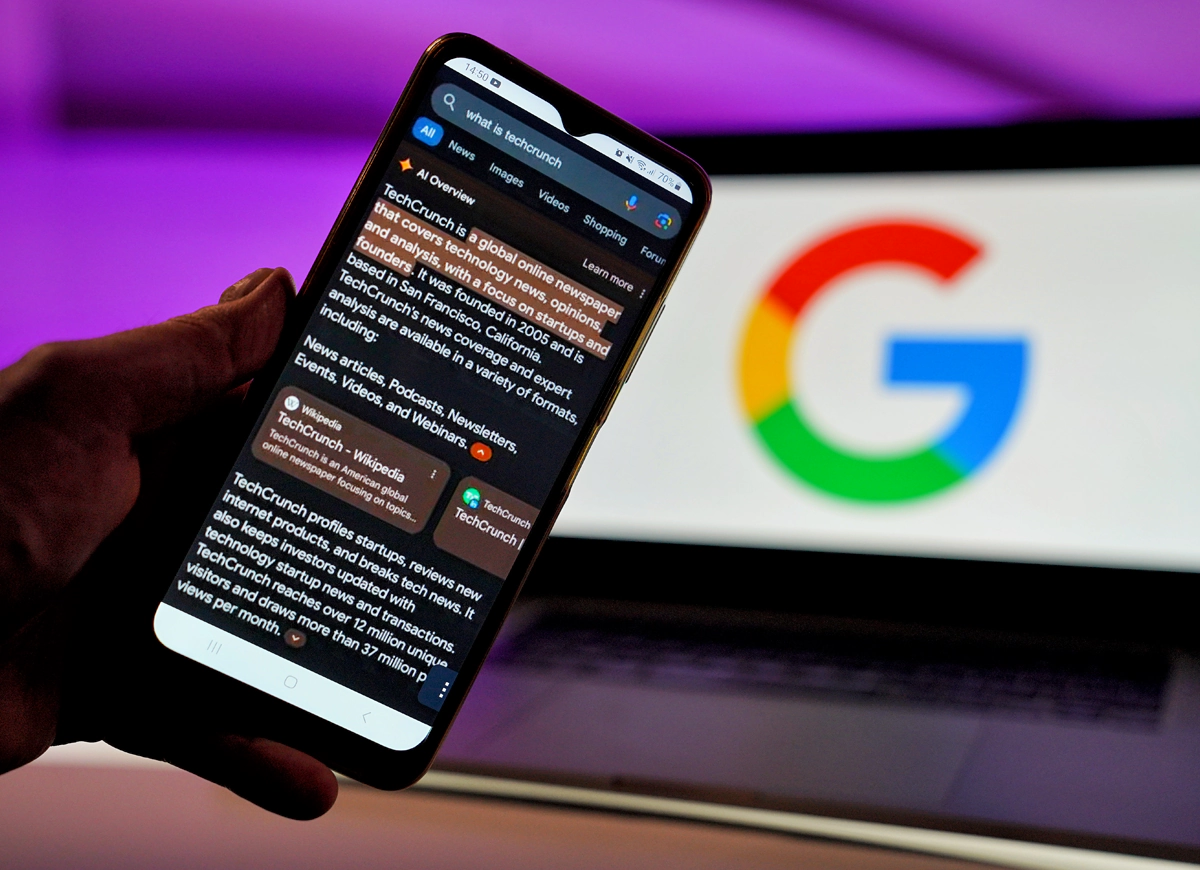
Till a few years back, this is what a search journey on Google looked like – you type in a search query, a list of related links appear, you click on each one-by-one to find the desired response and so on. But today, search is evolving beyond simply showing links. With the introduction of AI-powered experiences, Google is shifting toward delivering direct, synthesised answers right at the top of the results page.
Enter Google AI Overviews, a feature designed to summarise information from multiple sources and present a concise, easy-to-understand response within seconds. Instead of opening several tabs to piece together information, users can now get a structured overview that highlights key insights, explanations, and relevant follow-up questions in one place.
This change marks one of the biggest transformations in how people interact with search. For users, it means faster discovery and lesser effort. For publishers, marketers, and businesses, it introduces new opportunities and new challenges in how visibility and traffic are earned online.
So what exactly are AI Overviews, how do they work, and what do they mean for the future of search? Let’s break it down.
Search Has Quietly Changed More Than Most People Realise
If you run a business or manage a website, you may already have noticed something different – rankings alone don’t explain traffic anymore.
Someone searches for a question and Google answers it immediately. Sometimes the user never clicks anything. That behaviour didn’t start with AI Overviews. Featured snippets, knowledge panels, and instant answers were already moving search in that direction. But AI Overviews push it much further. Instead of extracting one sentence from a page, Google now builds an explanation using multiple sources.
According to industry tracking platforms, Google processes over 8.5 billion searches per day, and a growing share of those are question-based queries rather than keyword fragments. People search the way they talk now, in full sentences, sharing problems and asking for comparisons.
AI Overviews exist because search behaviour changed first.
What Google AI Overviews Actually Are
AI Overviews are AI-generated summaries shown at the top of certain search results. They combine information from different websites into a single response designed to answer a query quickly.
You’ll typically see them when searches involve:
- Explanations
- Decision-making
- Multi-step processes
- Learning topics
- Comparisons
- Planning tasks
For example:
A user searching “how long does it take to redesign a business website” might see an overview explaining timelines, cost factors, development stages, and common delays.
Instead of reading five blog posts, they get a structured starting point. Importantly, Google still links to source websites. The difference is that discovery now begins inside Google’s summary rather than on your page.
Related Read – Why SEO Is Crucial for AI Search
Why Google Built AI Overviews
Google’s business depends on keeping users satisfied. If people leave search engines to ask AI tools elsewhere, Google loses attention and, ultimately, advertising revenue.
AI Overviews are partly a response to that shift.
But there’s also a usability problem Google has tried to solve for years: information overload. You’ve probably experienced it yourself. You search something simple and end up scanning long articles filled with introductions, ads, and unrelated sections just to find one answer.
AI Overviews attempt to remove that friction. Google’s internal testing suggested users completed complex searches faster when summaries were provided first. Whether publishers like the change or not, the direction is clear: faster answers win.
How AI Overviews Work Behind the Scenes
Google hasn’t released a full blueprint, but the general workflow looks like this:
1. Understanding Intent
Google analyses the meaning behind the query, not just the words used. Context matters more than exact phrasing.
2. Evaluating Sources
The system identifies pages considered reliable using ranking signals such as authority, relevance, freshness, and expertise indicators.
3. Generating a Summary
A large language model synthesises information into readable text.
4. Linking Supporting Content
Relevant sources appear as citations users can explore.
5. Continuous Updating
Results evolve as Google learns from user interaction and new content.
This isn’t static search anymore, results adapt over time.
When AI Overviews Appear (and When They Don’t)
Google is selective about where AI summaries show up. They are more common for informational searches and less common for:
- Highly local intent searches
- Sensitive medical queries
- Financial decisions requiring precision
- Breaking news topics
You might notice variation even when repeating the same query as Google runs ongoing experiments and adjusts visibility frequently.
The Real Impact on SEO
This is where businesses feel the shift. Traditional SEO focused heavily on rankings. If you reached position one, traffic usually followed.
Now visibility happens in layers:
- Being cited in an AI Overview
- Appearing in traditional organic results
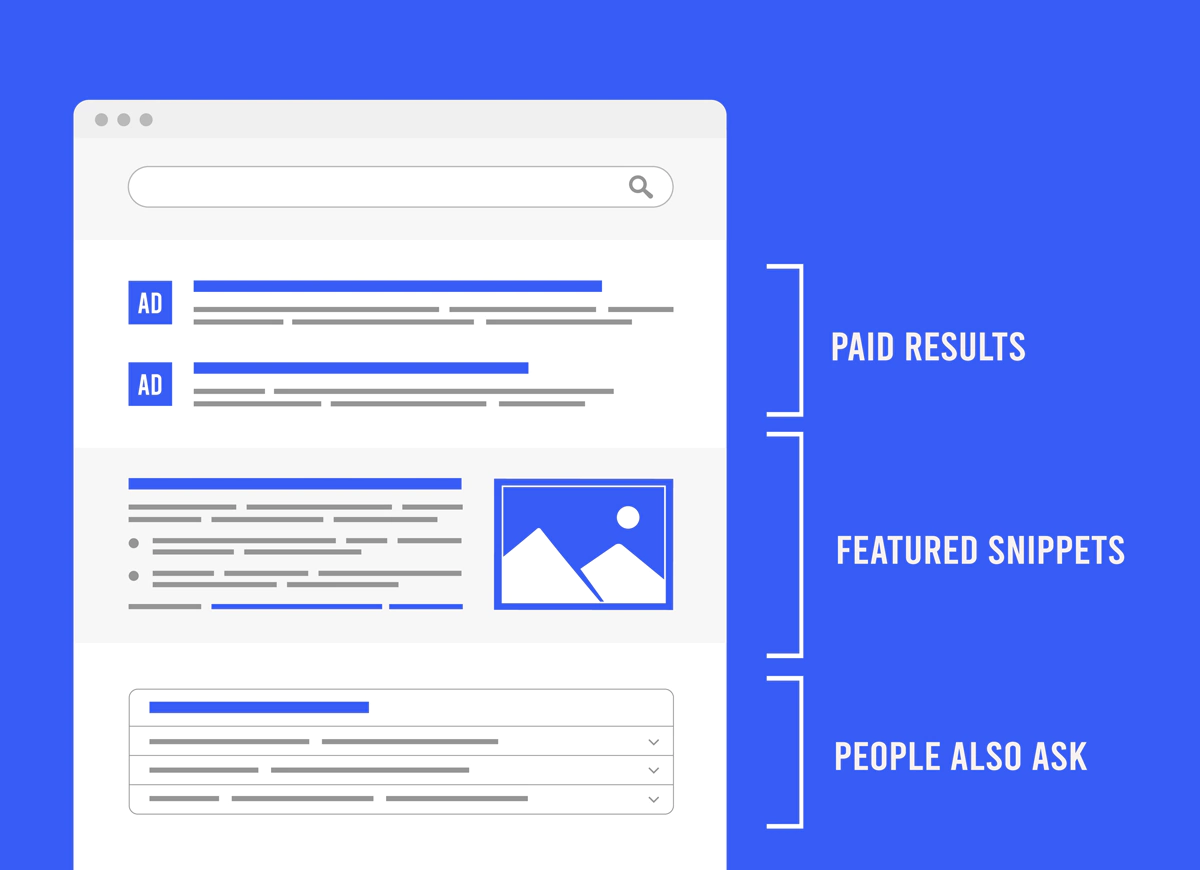
- Showing in featured elements like local packs or videos
Some early studies observed click-through rate drops for informational keywords when AI summaries appeared. However, not all traffic decreased. In many cases, visitors who still clicked were further along in decision-making. So traffic may become smaller but more qualified.
Zero-Click Searches Are Growing
Marketing analysts estimate that over 50% of Google searches already end without a click. AI Overviews accelerate this trend. That sounds alarming at first but context matters. Simple informational searches were rarely strong converters anyway. Someone searching “what is responsive web design” isn’t ready to hire an agency yet.
The opportunity shifts toward deeper content and commercial intent queries where users want expertise, not just definitions.
What Kind of Content Gets Featured
From early observation, AI Overviews tend to favour content that feels practical rather than promotional.
Common traits include:
- Direct answers near the top
- Logical headings
- Real examples
- Updated statistics
- Clear explanations without jargon
- Evidence of experience
Interestingly, overly polished marketing language often performs worse. Content that sounds like an actual professional explaining something usually wins. You don’t need to sound academic, you just need to sound useful.
Real Example: Website Cost Queries
Let’s say someone searches: “Why do website costs vary so much?”
A strong source article might explain:
- Custom vs template builds
- Hosting infrastructure
- Design revisions
- SEO setup
- Ongoing maintenance
An AI Overview may summarise those points and cite the article as a source. That visibility can introduce your brand before the user even clicks.
Related Read – Future of SEO in 2026: How AI Is Reshaping Search
Why Experience Matters More Now
Google has been pushing E-E-A-T signals for years: Experience, Expertise, Authoritativeness, and Trustworthiness. AI Overviews rely heavily on these signals.
Pages written by people who clearly work in the industry often outperform generic content farms. You might notice Google favouring:
- Case studies
- Process explanations
- Local insights
- Practical advice
- Transparent pricing discussions
In short, firsthand knowledge beats recycled information.
What This Means for Businesses Looking to Grow Online
For businesses investing in their online presence, AI Overviews change how potential customers discover and evaluate services.
On one hand, people are finding answers faster than ever. On the other hand, they’re becoming more selective before they even visit a website. By the time someone clicks through, they often already understand the basics and are looking for a provider they can trust.
This means the quality of your website matters more earlier in the customer journey. When your site clearly explains how projects work, realistic timelines, common challenges, and expected outcomes, it helps both users and Google recognise your credibility. Clear, practical information builds confidence long before a sales conversation begins.
Businesses that rely only on generic marketing messages or vague service pages may find it harder to stand out. Today’s users want transparency and real insight. A website that answers genuine questions tends to attract more informed, better-matched enquiries rather than casual browsing traffic.
Website Structure Now Matters Even More
AI systems don’t just read words. They interpret structure.
Clear formatting helps:
- Proper heading hierarchy
- Short readable paragraphs
- Lists and summaries
- Fast page speed
- Mobile-friendly layouts
Messy layouts make content harder for both humans and AI to interpret. This is one reason modern web design increasingly overlaps with SEO strategy.
Related Read – People Also Search For: Meaning, Importance & Strategy for SEO
Common Concerns Businesses Have
“Will AI steal my traffic?”
Sometimes informational clicks decrease, but authority visibility can increase. Many businesses report higher-quality enquiries even with fewer visits.
“Is blogging still worth it?”
Yes, but the purpose changes. Blogs should answer real questions, not exist just to target keywords.
“Do rankings still matter?”
Absolutely. AI Overviews still rely on ranking signals to select sources.
Practical Steps You Can Take Right Now
You don’t need to rebuild your entire website overnight to adapt to AI-driven search. In most cases, steady improvements work better than big, rushed changes. The focus should be on making your website genuinely helpful for people who are already looking for answers.
Answer real customer questions
Think about the conversations you have every week. Clients usually ask similar things, pricing ranges, timelines, what’s included, or what happens if something goes wrong. Those same questions are being searched online. When your website addresses them clearly, visitors arrive feeling informed instead of confused.
Update older content
You don’t always need new articles. Often, your existing pages just need refreshing. Add updated information, recent examples, or clearer explanations based on what you’ve learned from real projects. Even small updates can make content more relevant and easier to understand.
Show your process
People feel more comfortable when they know what to expect. Explaining how a project actually works, step by step, helps build trust early. It also filters enquiries, attracting clients who understand the journey rather than those guessing how things work.
Reduce filler content
If a paragraph sounds good but doesn’t actually explain anything, it’s probably unnecessary. Visitors skim quickly, so clarity matters more than length. Straightforward explanations usually perform better than polished marketing language.
Focus on clarity
Write like you’re speaking to a client, not trying to impress a search engine. Simple, honest explanations tend to connect better with readers and are easier for search systems to interpret as genuinely helpful content.
Related Read – Search Google or Type a URL
The Future of Search Feels More Conversational
Search is slowly becoming a guided experience rather than a directory of links. Users ask layered questions and Google responds with layered answers.
Over time, we’ll likely see:
- More personalised summaries
- Deeper follow-up suggestions
- Integration with voice and mobile assistants
- Greater emphasis on trusted brands
Clicks won’t disappear, they’ll just happen later in the decision process.
Final Thoughts
Google AI Overviews aren’t a temporary experiment. They represent a structural change in how people discover information online. Search is becoming faster, more conversational, and more selective about which sources it trusts.
For businesses, the takeaway is fairly grounded. Helpful content, real expertise, and well-built websites matter more than ever. Trying to outsmart algorithms usually fails and explaining things clearly tends to work.
If your website hasn’t evolved alongside search behaviour, now is a good time to reassess. A strong digital presence today combines performance, usability, and content that answers genuine questions people are already asking.
And if you’re ready to adapt your site for the next phase of search, the team at Make My Website can help you build a strategy designed for long-term visibility, including tailored Seo in geelong solutions for Australian businesses looking to grow in an AI-driven search landscape.
FAQ: Google AI Overviews
Do AI Overviews replace SEO?
No, but they do change how SEO works. Traditional ranking factors still matter, things like relevance, page quality, and authority. The difference is that visibility is no longer only about ranking first. Content now also needs to be clear and trustworthy enough for Google to reference within summaries.
How accurate are AI Overviews?
Accuracy has improved quickly, but they aren’t perfect. Because summaries combine information from multiple sources, details can sometimes be simplified or lose context. That’s why users often still click through to websites when making decisions or looking for deeper explanations.
Will small businesses struggle more?
Not necessarily. In fact, smaller businesses with strong niche knowledge sometimes benefit. Detailed, experience-based content can stand out against larger websites that publish broad, generic information. Real expertise tends to carry more weight than sheer size.
How often does Google update AI results?
Constantly. AI systems learn from user behaviour and ongoing testing, so rankings and visibility may fluctuate more than they used to. Sudden changes don’t always mean something is wrong with your website, it’s often just part of Google refining results.
Should businesses create shorter content now?
Not shorter for the sake of it, just clearer. People still want depth when researching services or making decisions. The difference is that unnecessary padding or vague introductions don’t help anymore. Clear, well-structured explanations usually perform better than long articles filled with filler text.













 1300769302
 info@makemywebsite.com.au