


Local SEO plays a critical role in how businesses attract nearby customers online. As search behaviour becomes more location-driven, businesses that appear in local search results gain a clear advantage. For companies that rely on local enquiries, walk-ins, or service calls, local SEO helps connect search intent with real business outcomes.
Whether you run an IT services firm, a digital marketing agency, or a service-based business, local SEO determines how easily potential customers find you when they search for solutions in their area.
What Is Local SEO?
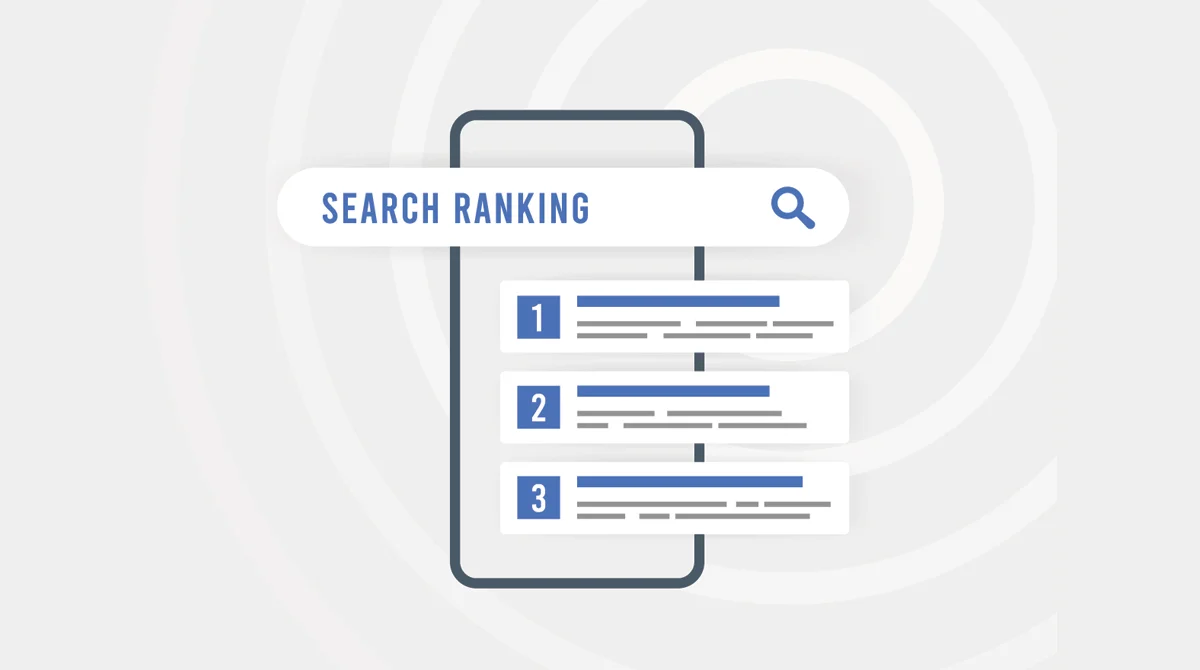
Local SEO is the process of optimising a business’s online presence to appear in location-based search results. These results typically show up when users search for services along with a city, suburb, or region, or when they use phrases such as “near me”.
For example, searches like “IT support Sydney”, “web development Brisbane”, or “digital marketing agency near me” rely heavily on local SEO signals. Search engines aim to show businesses that are most relevant, geographically close, and trusted.
Local SEO differs from traditional SEO because it focuses on geographic relevance. While general SEO targets broader keywords, local SEO prioritises location-specific visibility across Google Search and Google Maps.
Why Local SEO Matters in Today’s Search Landscape?
Search engines increasingly personalise results based on location. Mobile usage has accelerated this trend, as users often search for immediate solutions while on the move.
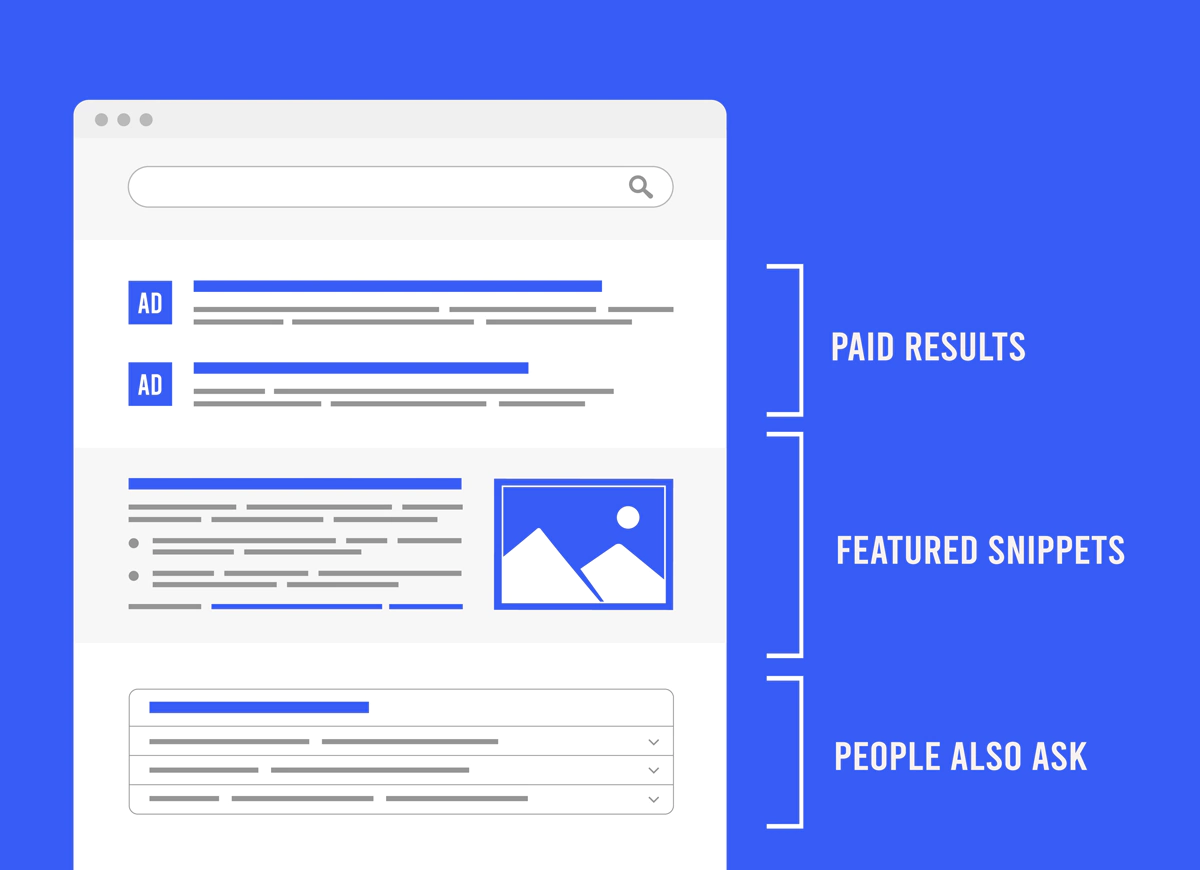
Nowadays, local competition is strong across most industries. Businesses that invest in local SEO position themselves to capture high-intent traffic instead of competing only on paid advertising or broad keywords.
Local SEO matters because it connects businesses with customers who are actively looking for nearby services, often with the intention to contact or visit within a short time frame.
How Local SEO Works?
Local SEO works by sending clear location and relevance signals to search engines. These signals help search engines understand where your business operates, what services you offer, and how trustworthy your business is.
Search engines typically evaluate three core factors when ranking local results:
- Relevance: How closely your business matches the user’s search query. This depends on service descriptions, keywords, and category selection.
- Distance: How close your business is to the searcher’s location or the location mentioned in the search.
- Prominence: How established and credible your business appears online. This includes reviews, citations, backlinks, and overall digital presence.
A strong local SEO strategy improves performance across all three areas.
Key Components of Local SEO
Local SEO relies on several core elements that work together to improve search visibility, accuracy, and trust for businesses targeting specific locations.
Google Business Profile Optimisation
A Google Business Profile is one of the most important elements of local SEO. It helps your business appear in Google Maps and local search results.
An optimised profile includes accurate business details, service categories, descriptions, photos, operating hours, and contact information. Regular updates and engagement also signal activity and relevance.
For businesses, ensuring the correct service areas and locations are listed is essential, especially for companies serving multiple cities or regions.
Local Keyword Targeting
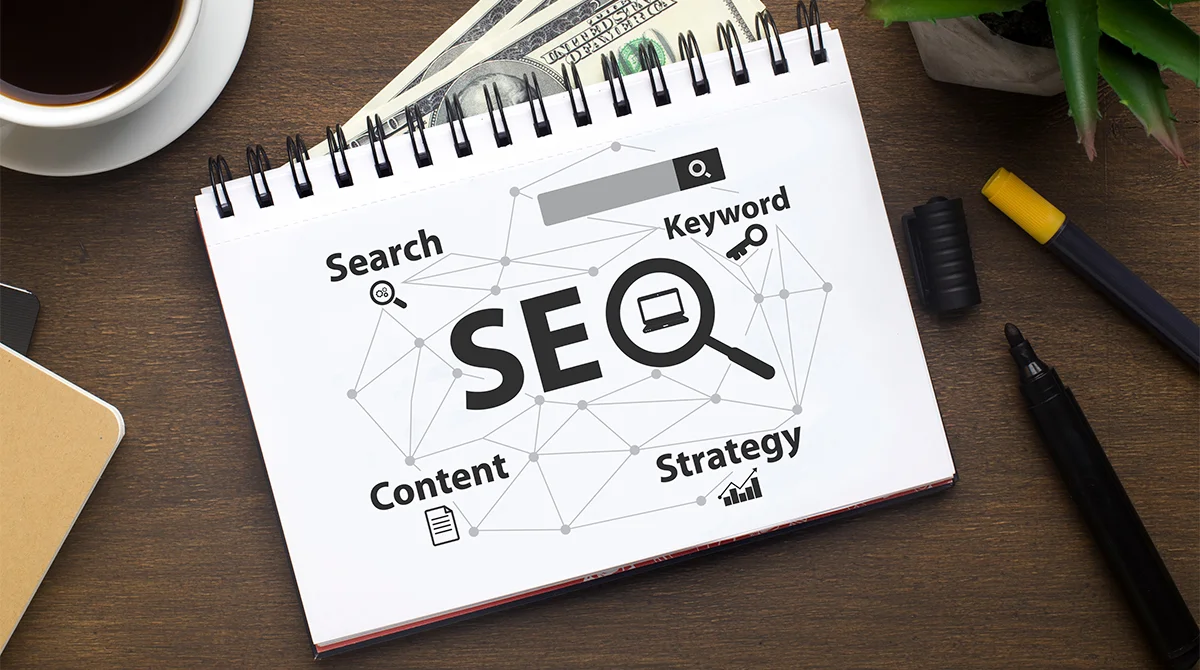
Local SEO relies on keywords that include geographic terms. These keywords help search engines match your business to location-specific searches.
Examples include suburb names, city names, and regional identifiers. IT and digital marketing companies often target keywords such as “managed IT services Melbourne” or “SEO services Melbourne”.
Local keywords should appear naturally in website content, headings, meta tags, and service pages.
NAP Consistency
NAP stands for name, address, and phone number. Consistency across all online platforms is critical for local SEO.
Search engines compare information from your website, Google Business Profile, and online directories. Any inconsistencies can create confusion and reduce ranking strength. Maintaining uniform details across business directories improves trust and accuracy.
Local Citations and Listings
Local citations are mentions of your business on online directories, industry platforms, and local listings. These citations help validate your business location and legitimacy.
For businesses, listings on trusted local directories strengthen geographic relevance. Quality matters more than quantity, as accurate and credible citations support long-term visibility.
Customer Reviews and Ratings
Reviews influence both search rankings and customer decisions. Businesses with consistent, genuine reviews tend to perform better in local search results.
Search engines view reviews as signals of trust and engagement. Positive reviews, along with professional responses, enhance credibility.
For service-based businesses, reviews often act as a deciding factor before a customer makes contact.
Location-Focused Website Content
Local SEO benefits from website content tailored to specific locations. This includes service pages for different cities, suburbs, or regions.
For example, an IT company serving multiple Australian cities may create separate pages outlining services in Sydney, Adelaide, and Brisbane. This helps search engines associate the business with each location.
Local content should provide real value and avoid duplication. Clear service explanations and location relevance are key.
How Local SEO Helps Your Business?
A well-structured local SEO strategy delivers practical benefits that directly support visibility, customer engagement, and business growth.
Improves Local Search Visibility
Local SEO increases the chances of your business appearing in Google Maps results and local search listings. This visibility places your business in front of users who are actively searching for nearby services.
Appearing in local results often leads to higher engagement compared to generic search results.
Attracts High-Intent Customers
Local searches usually come from users ready to take action. These users often look for contact details, directions, or service availability.
As a result, local SEO traffic tends to convert at higher rates than broad organic traffic.
Builds Trust and Credibility
Verified business listings, consistent information, and customer reviews help build trust before a user even visits your website.
Trust plays a major role in service-based industries, where customers want reassurance before making a decision.
Supports Mobile Search Behaviour
A large portion of local searches happen on mobile devices. Local SEO ensures your business appears clearly on mobile search results, maps, and call-to-action features.
This visibility supports immediate enquiries and quick decision-making.
Reduces Dependence on Paid Advertising
While paid ads deliver short-term visibility, local SEO builds long-term presence. Once established, local rankings continue to generate traffic without ongoing ad spend.
For many businesses, this provides a more sustainable marketing approach.
Helps Smaller Businesses Compete
Local SEO allows small and mid-sized businesses to compete within their region without facing national or global competitors directly.
By focusing on local relevance, businesses can attract customers who prioritise proximity and availability.
Common Local SEO Mistakes to Avoid
Many businesses overlook basic local SEO practices. Common issues include outdated business information, incomplete profiles, duplicate listings, and generic content.
Ignoring reviews or failing to respond can also weaken local performance. Consistent maintenance is essential to avoid losing visibility over time.
Local SEO for IT and Digital Marketing Companies
IT and digital marketing firms often serve defined regions while offering specialised services. Local SEO helps these companies showcase expertise within their service areas.
By combining technical optimisation with location-specific content, service providers can attract businesses looking for local support, consultations, and long-term partnerships.
Conclusion
Local SEO plays a vital role in helping businesses connect with nearby customers in an increasingly competitive digital environment. It improves visibility, builds trust, and attracts high-intent traffic that supports consistent growth.
For businesses, local SEO is not just an option. It is a practical strategy that strengthens online presence and supports long-term results.
If you want to improve your local visibility, optimise your website, and attract the right customers, Make My Website can help. Our team specialises in website development, local SEO, and digital solutions designed to support businesses at every stage of growth.














 1300769302
 info@makemywebsite.com.au