

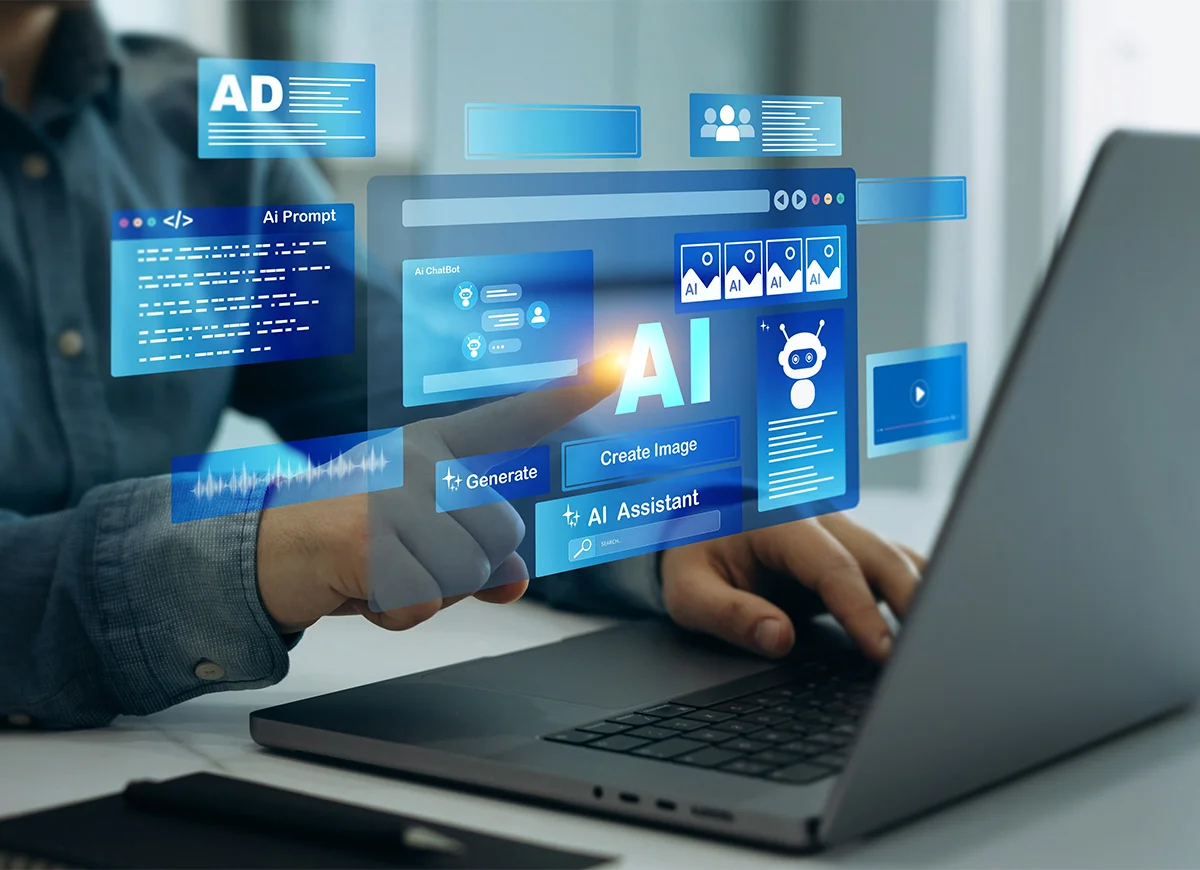
For a long time, websites were treated like finished products. You launched one, maybe updated it once a year, and hoped your marketing campaigns pushed enough people toward it. That model is starting to break down. In 2026, websites aren’t just supporting marketing anymore, in many cases, they are the marketing.
AI-first web design is driving that change. Instead of static pages waiting for visitors, modern sites are beginning to adapt while people are actually using them. The difference sounds subtle, but it changes how businesses attract leads, how customers make decisions, and how marketing budgets get used.
And honestly, once you see it working, it’s hard to go back to the old way.
Websites Are Starting to Adapt Instead of Sit Still
A traditional website works the same way for everyone – same layout, same messaging, same journey. That made sense when design updates were expensive and slow.
But people don’t behave consistently online. Someone browsing during a lunch break moves differently from someone researching suppliers late at night. A returning visitor often wants reassurance, not introductions.
AI-first design allows subtle adjustments based on behaviour. You might notice:
- Key information appearing sooner for repeat visitors.
- Shorter content sections on mobile devices.
- Stronger trust signals when users hesitate before contacting.
In terms of visuals, nothing dramatic happens but the browsing experience just feels smoother.
Industry data suggests personalised web experiences can increase conversions by roughly 20–30%. That improvement often comes from removing friction rather than adding new features.
Marketing Becomes Continuous Work, Not Campaign Bursts
Marketing used to move in cycles. Plan something, launch it, analyse results weeks later, then adjust. Anyone who has managed campaigns knows how much guesswork lived in that gap.
AI changes the timing. Modern websites can test small variations constantly. Headlines change slightly, images rotate and call-to-action placement evolves depending on engagement. These aren’t dramatic experiments. Think of it more like ongoing tuning, similar to adjusting tools on a job site until everything runs smoothly.
Over time, businesses tend to notice:
- Enquiries becoming more consistent month to month
- Fewer visitors dropping off early
- Better quality leads rather than just higher traffic numbers
For instance, for a plumbing company website, the messaging should automatically shift during winter demand spikes toward urgency and availability. And when demand slows down, educational maintenance content should surface more often. In this case, the marketing spend will stay similar, but lead flow will stabilise.
Related Read – Custom Web Design Vs. Website Templates
Personalisation Feels Less Forced Than It Used To
A few years back, personalisation crossed a line. People felt watched, pop-ups followed them everywhere and recommendations felt too precise. The newer approach is quieter. AI reacts mostly to behaviour happening in the moment instead of long-term tracking.
For example:
- Someone comparing multiple services might see clearer pricing explanations
- Cautious users may encounter reviews earlier
- Fast scrollers often get simplified layouts automatically
Some variation is normal because visitors arrive with different intentions. When done properly, personalisation feels helpful rather than noticeable. Surveys now show around 70% of users expect some level of tailored experience online.
Content Creation Is Changing Behind the Scenes
There’s a lot of discussion about AI replacing creative work. In practice, it’s changing workflow more than roles.
Designers and marketers increasingly use AI to explore starting points – layout drafts appear faster and copy variations can be tested quickly. But the final decisions still rely on human judgement.
AI doesn’t understand local tone, trade language, or customer hesitation the way experienced teams do. A builder speaking to homeowners sounds different from a SaaS company talking to startups, those nuances still matter. What changes is speed as teams spend less time staring at blank screens and more time refining what works.
SEO and User Experience Are Merging
Search engines are leaning heavily on AI themselves, which means rankings depend more on real engagement than rigid optimisation tactics.
Websites built with adaptability tend to perform better because they respond to how visitors interact. Pages expand with relevant information, internal links strengthen naturally, and helpful content surfaces where interest is strongest.
You end up with a loop:
- Better experience leads to stronger engagement
- Stronger engagement improves visibility
- Improved visibility brings more qualified visitors
Marketing and web design stop operating as separate efforts.
Data Starts Becoming Useful Again
Most businesses already have analytics dashboards filled with charts. The challenge has never been collecting data, it’s knowing what to do with it.
AI tools increasingly translate behaviour into suggestions instead of raw numbers. Rather than simply showing a drop in conversions, systems recommend actions such as simplifying navigation or reducing form steps. That reduces debate internally, decisions move faster because the direction becomes clearer.
Smaller Businesses May Benefit the Most
Interestingly, AI-first design isn’t only helping large brands, smaller businesses often gain quicker results. In the past, constant optimisation required dedicated teams. Now much of that work happens automatically. A local service provider can run a website that learns and improves without continuous manual redesigns.
This can mean:
- Less reliance on rising ad budgets
- Steadier enquiries throughout the year
- Clearer customer journeys without major overhauls
For growing businesses, that consistency matters more than occasional traffic spikes.
What This Means in Practical Terms
Most companies don’t need a full rebuild immediately. The shift usually starts with small steps:
- Smarter enquiry forms
- Adaptive content sections
- Ongoing testing on key landing pages
- Clearer interpretation of visitor behaviour
The mindset change is bigger than the technical change. A website becomes something that evolves, not something you finish.
Related Read – Common Web Design Mistakes to Avoid
Technology Still Needs Human Direction
Even with AI involved, people still choose businesses based on trust. Clear messaging, honest tone, and practical information carry more weight than automation alone.
AI helps deliver the right information at the right moment but humans still decide what that information should be. The strongest results tend to come from combining both.
Looking Ahead
AI-first web design is likely to become normal over the next few years, not a trend, just standard practice. Websites will continue learning from visitors and quietly improving performance in the background. For businesses, that means marketing becomes less about constant reinvention and more about steady refinement.
If you’re exploring how your website can take on a more active marketing role, Make My Website works with businesses ready to move in that direction. Our team specialising in web design in Melbourne focuses on building sites that adapt over time and support real business growth, not just launch-day results. Get in touch with us today to know more.






 1300769302
 info@makemywebsite.com.au